Iran’s Move to Demand Bitcoin as Toll for Oil Tankers
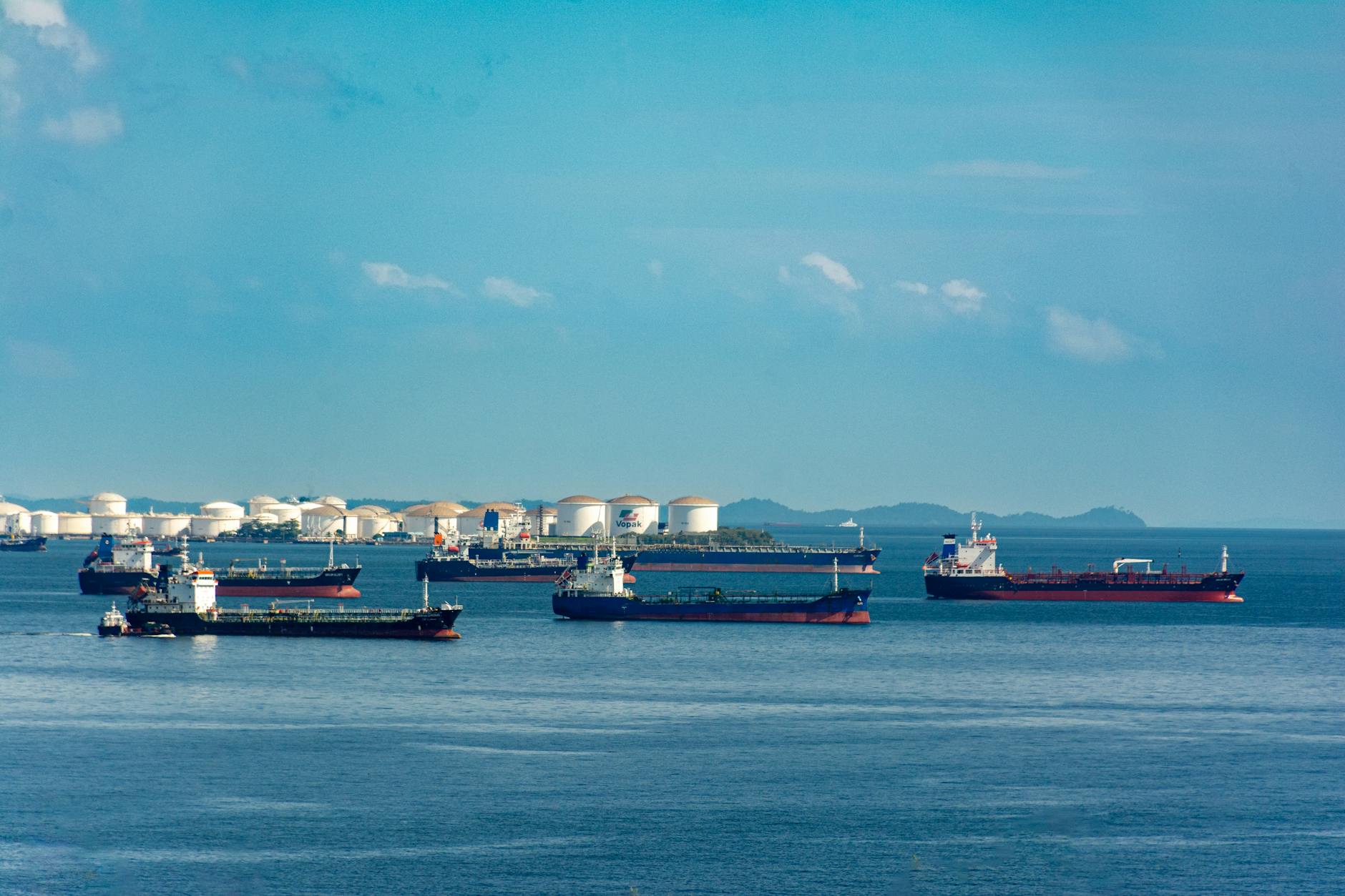
Iran has begun implementing a toll system for oil tankers, requiring payment in cryptocurrency, including Bitcoin, as reported by the Financial Times. This decision is part of Iran’s strategy to utilize digital currencies amid ongoing geopolitical tensions with the U.S. and sanctions on its oil exports.
The Strait of Hormuz remains a pivotal waterway for global oil delivery, with nearly a fifth of the world’s oil passing through its channels. Reports about Iran’s shift to cryptocurrency payments follow earlier coverage hinting at the country’s preference for stablecoins, raising concern and curiosity among the cryptocurrency community regarding regulatory implications and operational logistics within the volatile sector.
The Potential Impact on the Cryptocurrency Market
Alex Thorn, an executive at Galaxy Digital, noted that the firm is analyzing on-chain transactions to monitor Bitcoin fees associated with these oil shipments. If validated, the use of Bitcoin to facilitate toll payments could signify a groundbreaking application of blockchain technology to navigate international sanctions. This would draw significant attention from traders and regulators globally, as the cryptocurrency community continues to scrutinize the legitimacy and execution of these on-chain transactions.
The market reacted promptly, with Bitcoin’s price climbing from approximately $68,000 to around $72,000, indicating traders’ interest in the ramifications of this sudden shift in Iran’s fiscal practices. This price surge seems to reflect not just optimism regarding potential eased tensions but also growing acceptance of cryptocurrency in traditional, high-stakes economic activities.
The global oil market is observing closely, particularly as analysts weigh the risks associated with navigating the Strait of Hormuz under these new conditions. Shipping and insurance executives have expressed concerns, with some tankers reportedly hesitant to proceed with payments for fear of attracting further sanctions.
What’s Next for Iran and Cryptocurrency Payments?
The future trajectory of Iran’s toll payment system in cryptocurrency hinges on ongoing diplomatic negotiations. Analysts suggest that further engagement from the U.S. and its allies could determine whether this model becomes a precedent for other nations seeking to circumvent financial restrictions. The Iranian government appears committed to expanding its digital currency ecosystem, which already encompasses a significant crypto economy valued at an estimated $7.8 billion, according to various sources.
Ultimately, analysts believe that Iran’s example may encourage other countries under similar economic pressure to explore digital currencies for bypassing traditional financial systems. This development invites a broader conversation around the role of cryptocurrencies as potential tools for state sovereignty over financial operations in an increasingly digitized economy.