
Iran’s New Peace Proposal and Potential Market Impact
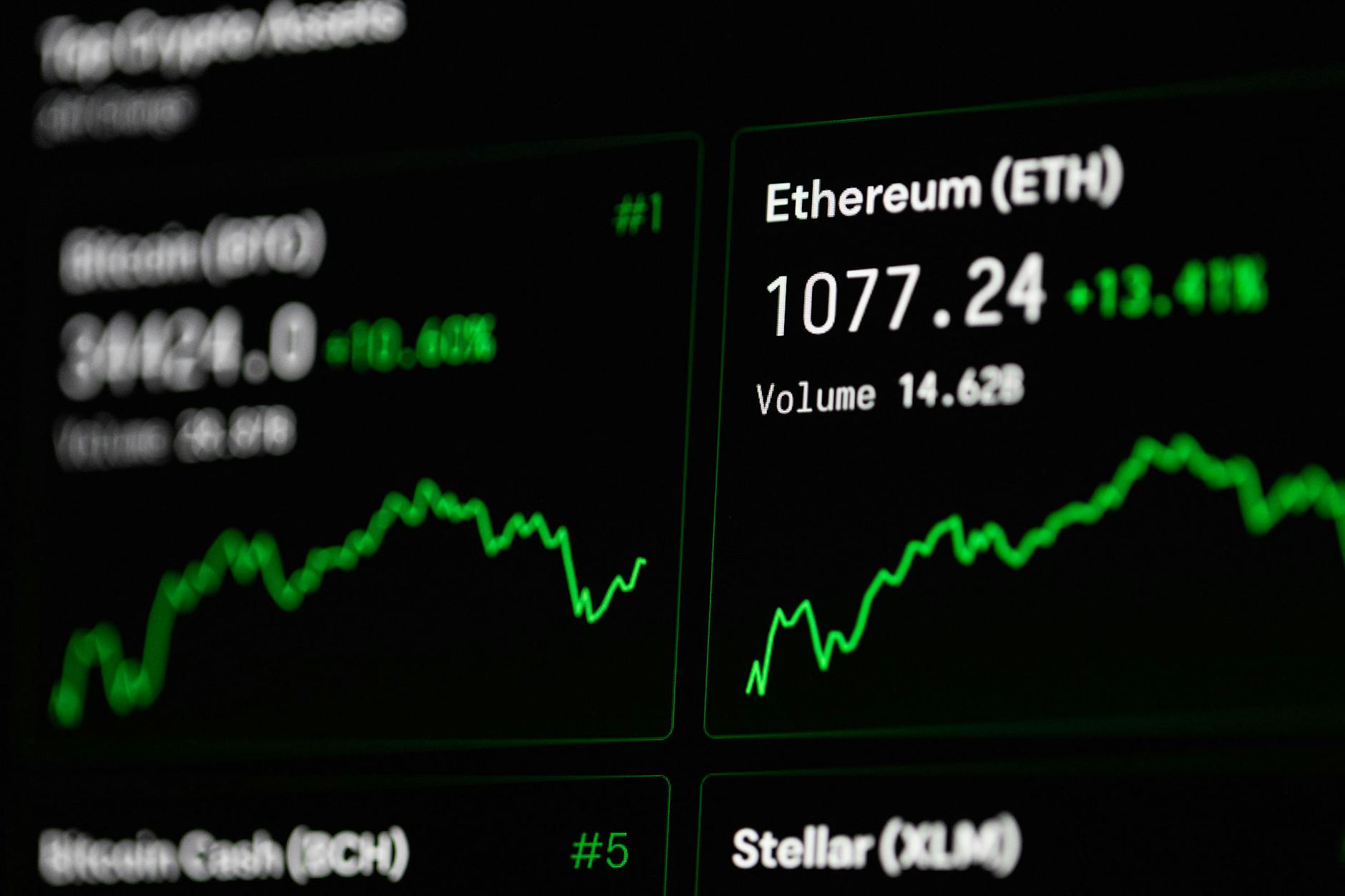
Iran is expected to present a revised peace proposal aimed at reopening the Strait of Hormuz and ending ongoing hostilities, a move that may alleviate the war premium currently impacting oil markets and could positively affect Bitcoin and Ethereum prices, according to reports.
The anticipated peace talks come at a precarious time, with previous negotiations between the U.S. and Iran having largely stalled. Recent media reports suggest that Iran’s latest proposal seeks to postpone discussions surrounding its nuclear program while prioritizing regional stability, particularly crucial for energy markets. The Strait of Hormuz remains a vital shipping route where a significant portion of the world’s oil passes, and disruptions in this area have historically driven prices upward. Market analysts are closely monitoring energy prices, which have recently stabilized but continue to reflect a significant risk premium due to geopolitical tensions.
Market Response to Geopolitical Developments
The reaction to the news of Iran’s peace proposal has been one of cautious optimism in the financial markets. Global stock indices, particularly in Europe, opened positively in response to potential easing geopolitical risk, as reported by various financial news outlets. Futures tied to the S&P 500 and Nasdaq both experienced slight gains, hinting at a relief rally as investors gain hope for a less volatile energy sector.
Simultaneously, crude oil prices have held steady close to $110 a barrel, maintaining elevated levels mainly due to the ongoing strains in supply and inventory constraints. As energy markets have their eyes fixed on Iranian politics, traders are weighing the implications of improved relations with Tehran against the backdrop of existing supply challenges.
This interplay between energy prices and broader market sentiment underlines the intricate relationship between geopolitical events and financial assets, including cryptocurrencies. Bitcoin and Ethereum, often seen as alternative assets to hedge against traditional market instabilities, remain especially susceptible to headline fluctuations stemming from such developments.
What Comes Next for Cryptocurrencies?
Looking ahead, analysts suggest that while an easing of Iranian tensions may provide a temporary boost to cryptocurrency prices, the inherent volatility of digital assets means that significant risks persist. Due to their correlation with global market sentiment, any subsequent shifts in investor sentiment—including reactions to regulatory updates or further geopolitical tensions—could adversely impact prices.
Furthermore, the growing scrutiny of cryptocurrencies by regulators is an additional factor that investors must consider. Any backlash against perceived market manipulations or illegal activities could lead to tighter regulations that might dampen market enthusiasm. This scrutiny is particularly poignant as both Bitcoin and Ethereum see fluctuating buy-in from institutional investors, with many firms still looking for clearer regulatory guidelines before committing further resources.
In conclusion, the outcome of Iran’s new peace proposal could shift dynamics not only in oil markets but may also reverberate through the cryptocurrency sector as investors attempt to navigate the evolving landscape fraught with regulatory challenges and geopolitical tensions.








