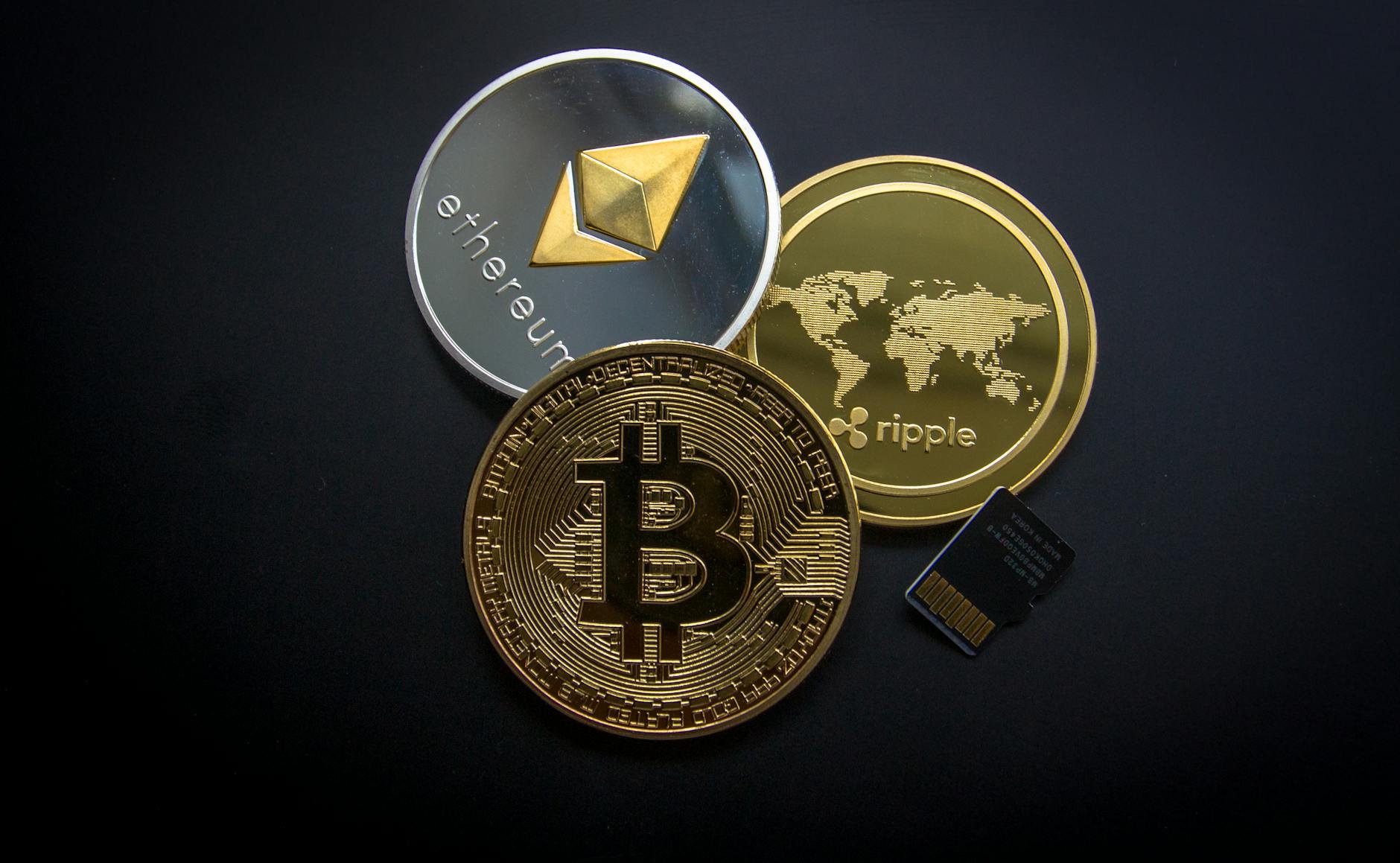
KBank Partners with Ripple for Blockchain Remittance Trial
Kookmin Bank (KBank) has announced a collaboration with Ripple Networks to conduct a blockchain remittance trial aimed at enhancing international payment efficiencies. This partnership comes as South Korea prepares to implement new regulations concerning stablecoins and digital assets.
This initiative will utilize Ripple’s blockchain technology to facilitate cross-border transactions, with the goal of showcasing improved efficiency, reduced costs, and secure settlement processes. KBank is pushing to streamline remittance operations, anticipating a growing demand for reliable and compliant financial solutions in the evolving digital landscape.
The Significance of the Collaboration
The remittance trial will serve as a testbed for KBank as South Korea’s regulatory framework on cryptocurrencies and stablecoins evolves. Industry experts are eyeing this collaboration as a crucial step in demonstrating how blockchain technology can facilitate financial transactions while adhering to regulatory standards.
KBank aims to position itself as a leader in digital finance within the South Korean market, particularly in response to the country’s impending regulatory changes, which include rules governing stablecoin issuance and transactions. These upcoming regulations are expected to offer a clearer framework for banking institutions in handling digital assets and may significantly influence how financial firms adjust their operational strategies.
Recent developments in international remittances indicate a pressing need for efficient solutions. According to various industry reports, traditional remittance methods are often burdened with high fees and lengthy processing times. By leveraging Ripple’s blockchain technology, KBank hopes to alleviate these issues and set a benchmark for peer banks.
Market Context and Industry Response
The partnership reflects a broader trend within the financial sector, where banks and fintech firms increasingly integrate blockchain solutions to improve transaction speeds and cost-efficiency. This shift has the potential to reshape the remittance landscape, particularly in regions where high fees and slow processing times have been barriers to cross-border transactions.
As the growth of digital currencies and stablecoins continues, analysts speculate that KBank’s remittance trial could pave the way for a more comprehensive adoption of blockchain systems among financial institutions, not only in South Korea but globally. Many banks are currently exploring blockchain applications to enhance their service offerings and remain competitive in the digital economy.
In this context, KBank’s collaboration with Ripple is notable. By adopting a proactive approach to blockchain technology, KBank could attract a new clientele, particularly among the younger, tech-savvy demographics more inclined to use digital spaces for financial transactions.
Looking Ahead: Implications and Future Developments
As the trial progresses, KBank will be closely monitoring the results to evaluate the effectiveness of Ripple’s technology. Executives have expressed optimism about the potential for blockchain to redefine the remittance process and enhance compliance with regulatory requirements.
However, the success of this initiative hinges not only on technical capabilities but also on the broader regulatory landscape that South Korea will implement in the coming months. While the collaboration marks a significant advancement in South Korea’s banking sector, it will be essential for KBank and Ripple to remain adaptive to potential regulatory hurdles as they expand their services.
The outcome of this partnership and the response from other financial institutions will likely set a precedent for how blockchain can be effectively utilized in compliance-driven markets around the world. As KBank leads the charge in this experimentation with Ripple’s technology, the banking ecosystem may soon see a transformation in how international remittances are conducted.