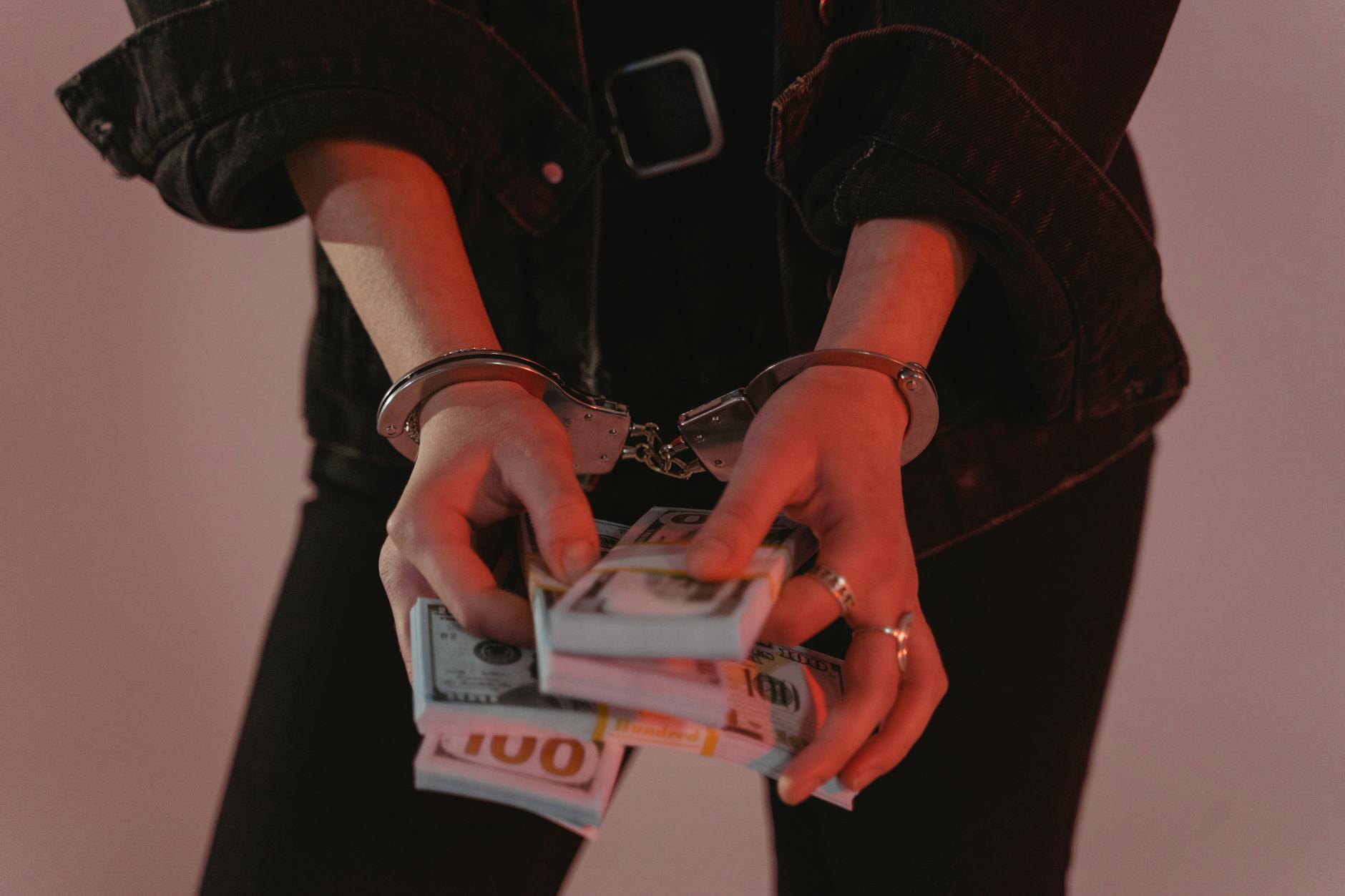
SAM BANKMAN-FRIED’S RETRIAL REQUEST FACES PROSECUTOR PUSHBACK
U.S. prosecutors urged a judge on Thursday to reject Sam Bankman-Fried’s request for a retrial, arguing that his claims of newly discovered evidence lack substantive merit. The motion follows his conviction for fraud and conspiracy related to the collapse of the cryptocurrency exchange FTX.
Bankman-Fried, the former CEO of FTX, is currently serving a 25-year sentence following a trial that concluded in November 2023. Prosecutors have contended that the defense team’s assertions about potential testimony from former FTX executives are neither new nor compelling enough to warrant a reconsideration of the verdict. They emphasized that the original trial was thorough, featuring over 20 witnesses and a plethora of documentary evidence, making the case against Bankman-Fried robust.
TESTIMONY AND ALLEGATIONS
The defense’s retrial request is contingent upon testimony from two former FTX executives, Daniel Chapsky and Ryan Salame, who they argue could provide evidence that challenges the prosecution’s case. However, prosecutors countered this assertion by pointing out that both executives were known to the defense and could have been called to testify during the initial trial. This absence of testimony was framed as a strategic choice rather than an unexplored avenue for new evidence.
Bankman-Fried’s defense included allegations of judicial bias, positing that Judge Lewis Kaplan exhibited prejudicial behavior. Prosecutors dismissed these claims, highlighting Bankman-Fried’s past public comments, including those made during congressional testimonies, which appear contradictory to the defense he presented in court. The prosecutors argue that such inconsistencies undermine his position and indicate the integrity of the judicial process was upheld throughout the original trial.
LEGAL IMPLICATIONS MOVING FORWARD
Prosecutors’ assertions, detailed in a recent opposition brief filed with the Southern District of New York, likely form a significant part of the forthcoming judicial deliberations surrounding Bankman-Fried’s appeal for retrial. The decision could either uphold his conviction or further complicate an already tumultuous legal journey.
As the case continues to unfold, legal experts predict it may set precedents for how new evidence claims are evaluated in high-profile fraud cases. If the court sides with prosecutors, it could deter similar retrial attempts in future cases, thereby reinforcing the weight of extensive evidence presented in initial proceedings. Conversely, a decision in favor of Bankman-Fried might open the door for retrials based on procedural nuances rather than new substantive evidence.