
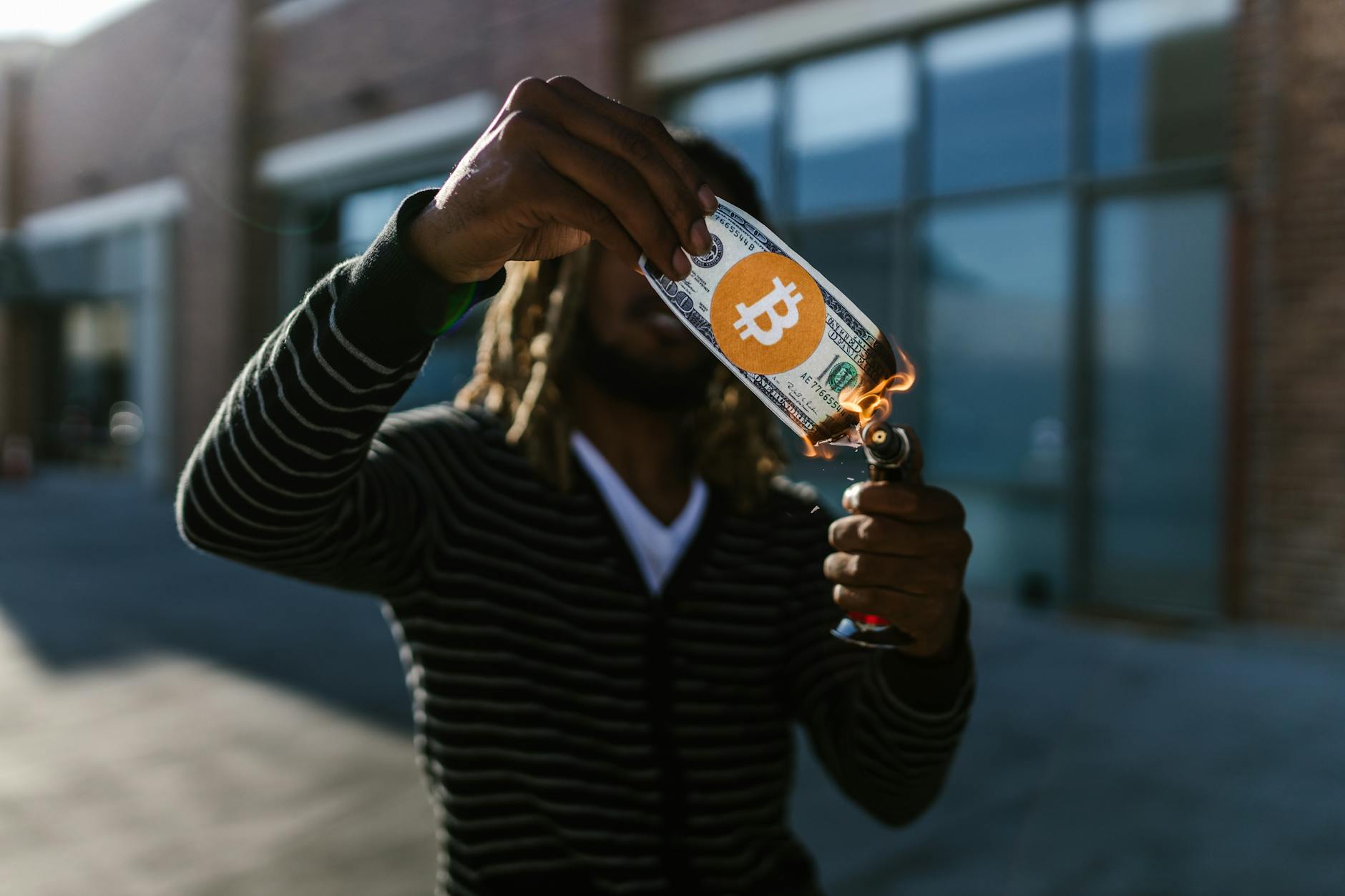
Pump.fun’s Strategic Move to Cut Token Supply
Pump.fun has executed a significant token burn, destroying approximately $370 million worth of PUMP tokens as part of its strategy to enhance token scarcity, a move that will reduce the circulating supply by 36%. This comes alongside the platform’s pledge to allocate 50% of its net revenue into a smart contract dedicated to ongoing buybacks over the next year.
The decision aims to bolster the monetary dynamics surrounding PUMP, catering to existing holders by seeking price appreciation while establishing a strategy for long-term demand. Such initiatives reflect a growing trend within the crypto ecosystem, where token burns and buyback schemes are increasingly used by platforms to reinforce their economic models.
PUMP Token Dynamics and Market Context
The latest measures taken by Pump.fun are designed to shift the fundamentals of its token economy. By permanently removing a conspicuous amount of PUMP from circulation, the platform aims to create a more compelling value proposition for existing investors while attracting new participants drawn to the increased perceived scarcity of the asset.
This emphasis on financial engineering within crypto projects is crucial in a climate where decentralized finance (DeFi) protocols and other emerging technologies compete heavily for user engagement and capital. With other major platforms like Robinhood recently reporting a substantial drop in crypto revenue, the industry is under pressure to innovate and reassure investors. Robinhood, for instance, reported a 47% decline in crypto trading revenue for its first quarter, emphasizing the need for alternative revenue streams amidst shifting user interest toward betting markets and other asset classes [reported by CoinDesk](https://www.coindesk.com/markets/2026/04/28/robinhood-stock-shrugs-off-a-47-crash-in-crypto-revenue-thanks-to-a-massive-surge-in-event-betting).
What Comes Next for Pump.fun?
Looking ahead, the commitment to continuous buybacks and the burning of tokens raises several questions about the long-term viability of PUMP in an evolving marketplace. Analysts are keen to see how this strategy plays out, particularly against a backdrop of fluctuating market sentiment and the performance of competing tokens. A successful implementation could instill greater confidence in potential investors, solidifying the platform’s position in the competitive landscape.
As the market anticipates the results of these initiatives, Pump.fun’s actions may serve as a barometer for other platforms seeking to adopt similar strategies in managing their tokenomics. Innovations such as these will likely be pivotal in reshaping how investors perceive value in the ever-evolving world of cryptocurrencies.








