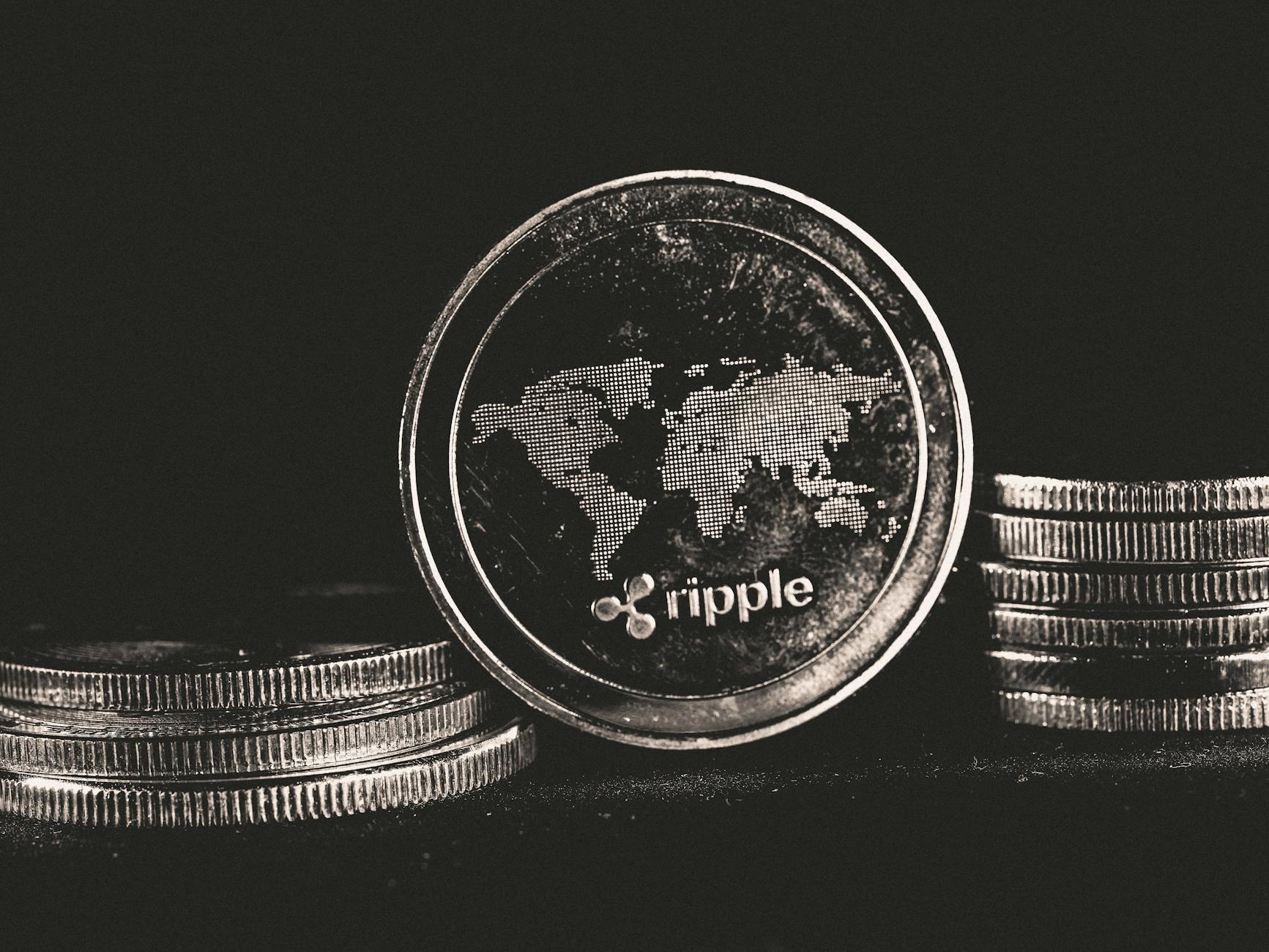
Ripple’s Strategic Shift into Corporate Finance
Ripple Labs has integrated its native tokens, XRP and RLUSD, into a corporate finance framework, marking a pivotal step towards institutional adoption of digital currencies. This move, announced through Ripple’s Treasury, aims to improve liquidity and lower transaction friction within the traditional financial system.
Ripple’s incorporation of XRP, a cryptocurrency designed primarily for payment settlement, and RLUSD, its stablecoin, into corporate finance represents a significant evolution for the blockchain technology firm. This strategic initiative is expected to streamline operations for businesses, providing innovative solutions in areas such as digital asset-backed lending. By approaching financial operations through a tokenized lens, Ripple aims to transform how institutions perceive and utilize cryptocurrency in their financial dealings.
The Implications for Liquidity and Transaction Speed
The integration of Ripple’s tokens into corporate finance comes amid a growing trend of blockchain adoption in mainstream banking. By leveraging these digital assets, Ripple seeks not only to enhance liquidity but also to significantly reduce costs attributed to transaction delays often associated with traditional banking methods.
Fast transaction speeds have always been among the touted benefits of Ripple’s technology, with the company frequently emphasizing its ability to facilitate nearly instantaneous cross-border transactions. As institutions begin to adopt these tokenized solutions, the expectation is that demand for XRP will rise, potentially driving its price upward. Experts suggest that traditional financial institutions that begin to route payments through Ripple’s On-Demand Liquidity (ODL) service will likely see notable cost efficiencies, especially when compared with legacy systems like SWIFT, which have long been criticized for their slow processing times.
Moreover, as Ripple continues to forge partnerships with several banks worldwide, including major players such as Santander and Deutsche Bank—which have previously utilized Ripple’s solutions—the firm’s tokens may gain further traction. The implications of transactional enhancements extend beyond mere financial savings. The use of XRP and RLUSD may redefine the dynamics of financial markets in ways that traditional currencies have struggled to achieve.
What Lies Ahead for Ripple and its Tokens
Looking ahead, analysts believe that Ripple’s foray into corporate finance could pave the way for more widespread acceptance and utilization of its tokens. This shift not only aims to capture a significant share of the institutional market but also prepares Ripple for potential regulatory changes as authorities globally start crafting frameworks for cryptocurrency adoption.
The trajectory of Ripple’s initiative will undoubtedly be monitored closely by stakeholders across the crypto and traditional finance sectors. As more corporations begin to recognize the value of integrating blockchain-based solutions into their operations, Ripple’s model could serve as a benchmark, potentially leading to increased interest in tokenized financial products.
In a broader context, this shift signals a rethinking of financial norms in the evolving cryptocurrency landscape—a move that could challenge the status quo of traditional banking systems as they grapple with the pressures brought about by digital innovation.