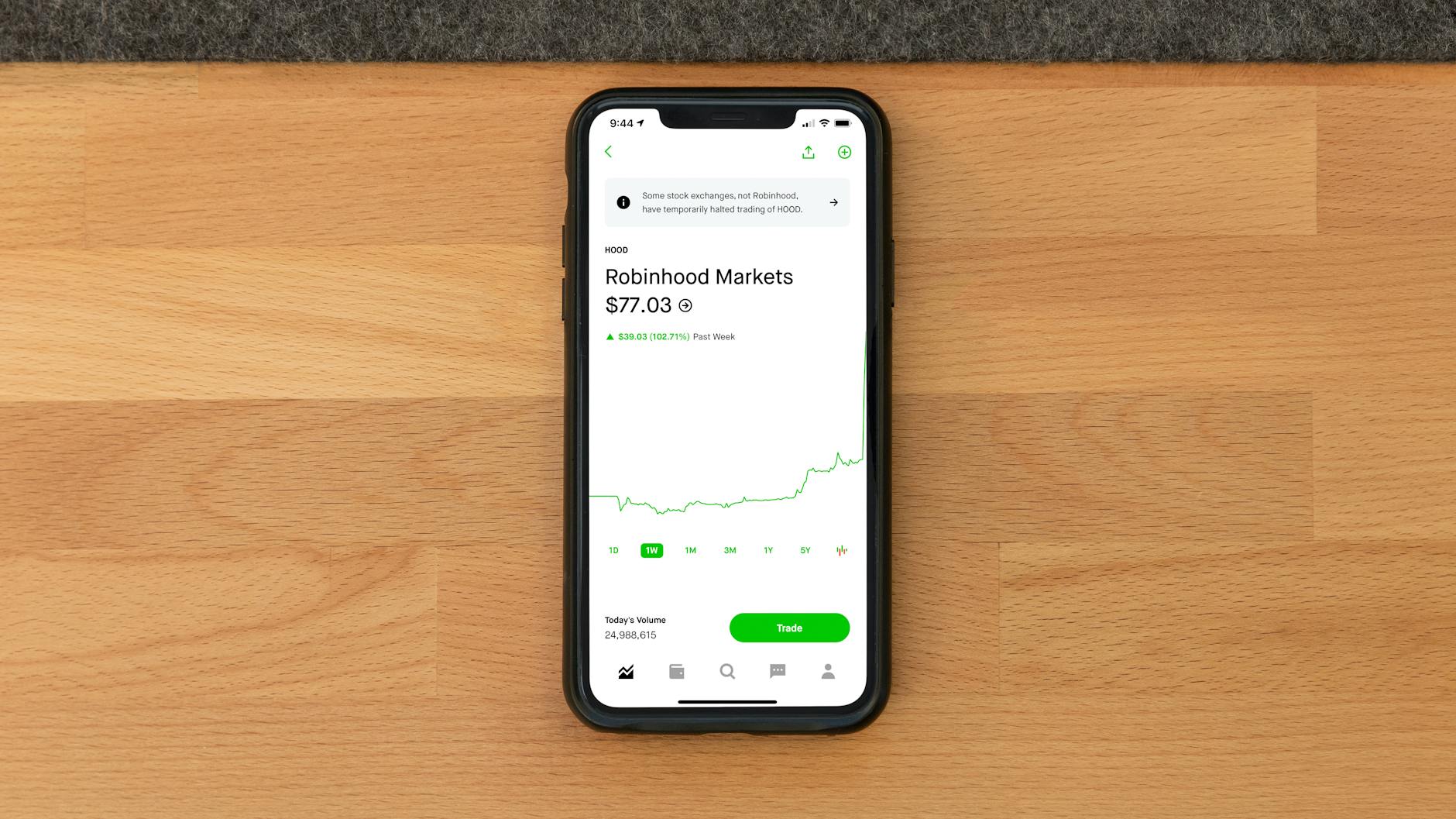
Robinhood’s Buyback Announcement Amid Slumping Stock
Robinhood Markets disclosed a $1.5 billion share repurchase program on March 24, 2026, aimed at bolstering shareholder value as the company’s stock, trading under the ticker HOOD, has plummeted by approximately 39% year-to-date. This strategic move is seen as a show of confidence by the firm’s management to stabilize and potentially enhance its share value.
The share repurchase plan allows the company to buy back its shares over a three-year period, without a predetermined expiration date, and will provide management the flexibility to accelerate purchases depending on market conditions. This initiative comes on the heels of previous buybacks totaling nearly $1.1 billion, which included a $1 billion program initiated in May 2024, later increased by $500 million in April 2025. These efforts resulted in the repurchase of between 22 and 25 million shares at prices ranging from $40.64 to $45.
Stock Performance Context and Market Response
Despite the buyback announcement, Robinhood’s stock remains under significant pressure, echoing broader trends in the market. HOOD shares decreased by 39-41% in 2026, following a considerable rise of around 300% in 2025. The stock saw its all-time high near $154 in October 2025, a surge that correlated with Bitcoin’s peak at $126,000. Since then, Bitcoin’s price has fallen sharply to around $70,000, exacerbating the downward trend in Robinhood’s stock value.
The market response to the announcement of the buyback was tepid at best, with only about a 2% gain in after-hours trading on the day of the announcement. Analysts are split on the implications of the buyback amid continued volatility across the markets. While some view this as a bullish signal of confidence in the company’s long-term growth prospects that could attract back investors, others highlight the ongoing challenges and uncertainties facing Robinhood, particularly in the competitive brokerage landscape.
JPMorgan Credit Facility Secured
In addition to the buyback, Robinhood recently secured a new credit facility from JPMorgan, increasing its total liquidity to $3.25 billion. CFO Shiv Verma, who took on the role in February 2026, emphasized that the buyback is a reflection of their commitment to long-term value creation and capital returns, suggesting that the company is proactively addressing its liquidity needs in the face of the fluctuating market conditions.
Verma’s leadership comes at a critical time for Robinhood, as its stock has faced persistent downward pressure and changing market dynamics. It remains to be seen how these financial maneuvers will impact the company’s recovery trajectory. Analysts are closely watching how the combination of share buybacks and enhanced liquidity will resonate with investors in the coming quarters, especially those who have been spooked by the company’s declining stock prices.
As Robinhood navigates this tumultuous phase, its future performance will likely be influenced not only by internal decisions but also by large-scale trends affecting investor sentiment within the broader cryptocurrency and stock markets. The company’s steps to manage finances could either bolster investor confidence or heighten scrutiny depending on market reactions and performance outcomes in the months ahead.