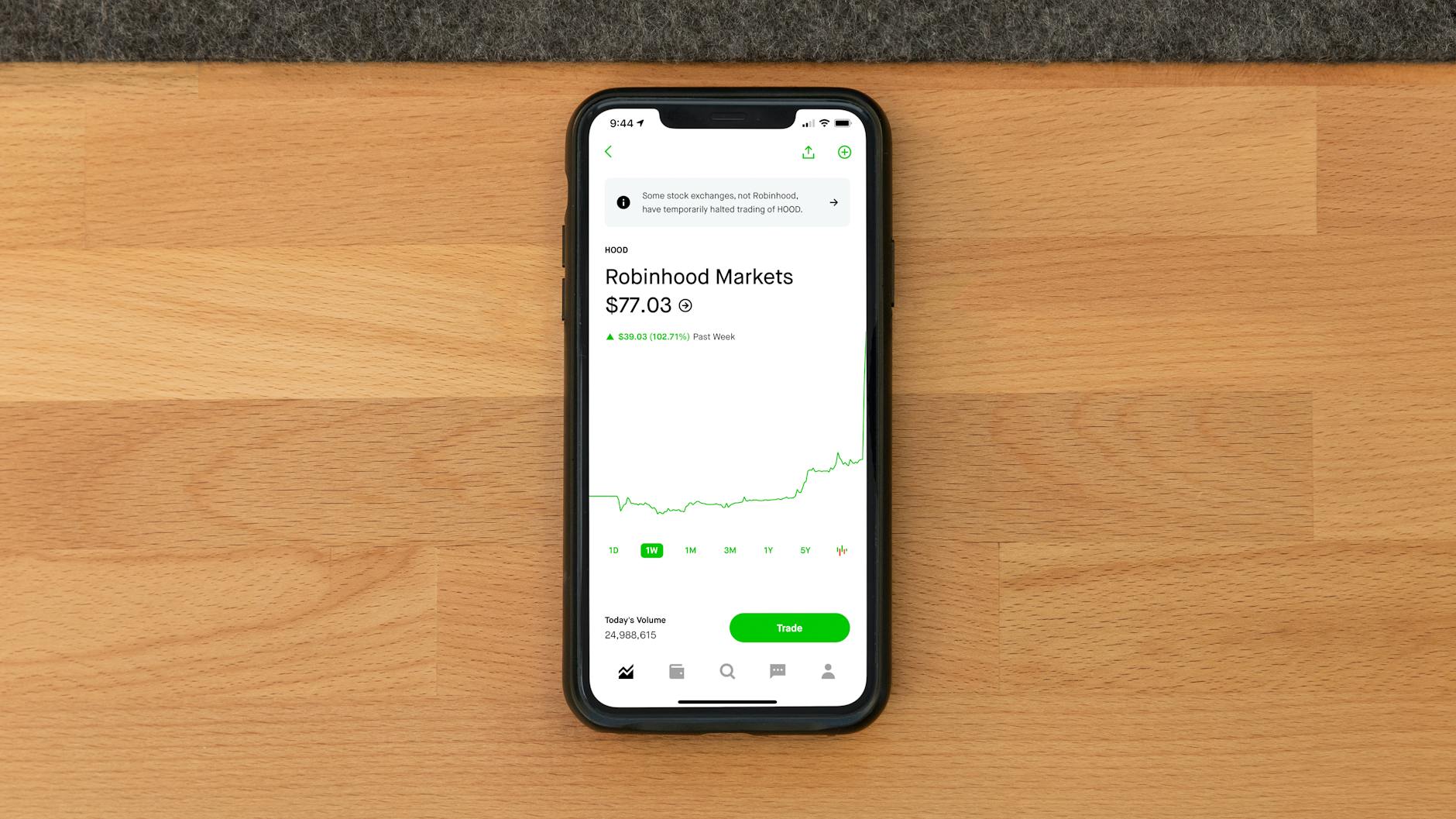
Robinhood Expands Stock Buyback Program Amidst Market Challenges
Robinhood Markets Inc. announced on April 15, 2025, the expansion of its stock buyback program to $1.5 billion, citing a belief in the long-term value of the company even as its stock struggles during current market volatility.
This significant increase derives from a previously established $1 billion buyback plan initiated in May 2024. This program, which marked the company’s first foray into share repurchasing, will be executed over a period of two to three years, depending on market conditions. Despite Robinhood’s commitment to repurchasing shares, its stock has been under pressure, raising questions about the effectiveness of the strategy in masking potential underlying weaknesses.
Buyback Program Details and Execution
Since initiating its buyback plan, Robinhood reported that it has repurchased approximately $909.51 million worth of shares, totaling around 22.34 million shares, leaving about $590.49 million available under the expanded program. In the fourth quarter of 2025, the company acquired 800,000 shares for $100 million, and during the first quarter of 2026, Robinhood invested another $173 million to buy approximately 2.1 million shares at an average price of $84. This marked a notable increase in buyback activity compared to previous quarters, indicating a strategic move to bolster the company’s long-term share price and earnings per share (EPS), especially as the stock trades well below its market potential.
The planned buybacks, effective through the last quarter of this year, are seen as a proactive approach by Robinhood’s management to support its share price against a backdrop of recent disappointing earnings reports that raised concerns about its profitability. These reports undershot market expectations, especially as the broader market remains turbulent, reflecting investor skepticism about Robinhood’s future growth trajectory.
Market Reception and Analyst Perspectives
Market analysts are divided on the consequences of Robinhood’s repurchase program. Some argue that the company’s eagerness to redeploy excess cash may indicate confidence in its operational fundamentals and a robust financial position, as it held notable cash reserves of $4.3 billion in cash equivalents by September 2025. Others, however, perceive the actions as an attempt to bolster falling stock prices amid substantial earnings misses, highlighting potential concerns regarding the company’s growth capacity.
Looking ahead, analysts project a notable rebound in earnings per share, estimating a growth rate of 20.6% along with a 22% increase in revenue for 2026. This optimism is attributed to the company’s diversification efforts, including initiatives in cryptocurrency investments and wealth management. As the market navigates its uncertainties, analysts are closely examining how effectively Robinhood can capitalize on its strategic initiatives and utilize its liquidity for future expansions.
As the company progresses with its buyback strategy, it could provide Robinhood with a tactical advantage in addressing market volatility while attempting to regain investor confidence. The success of this initiative will largely depend on the performance of the business and its ability to adapt to evolving market conditions.