
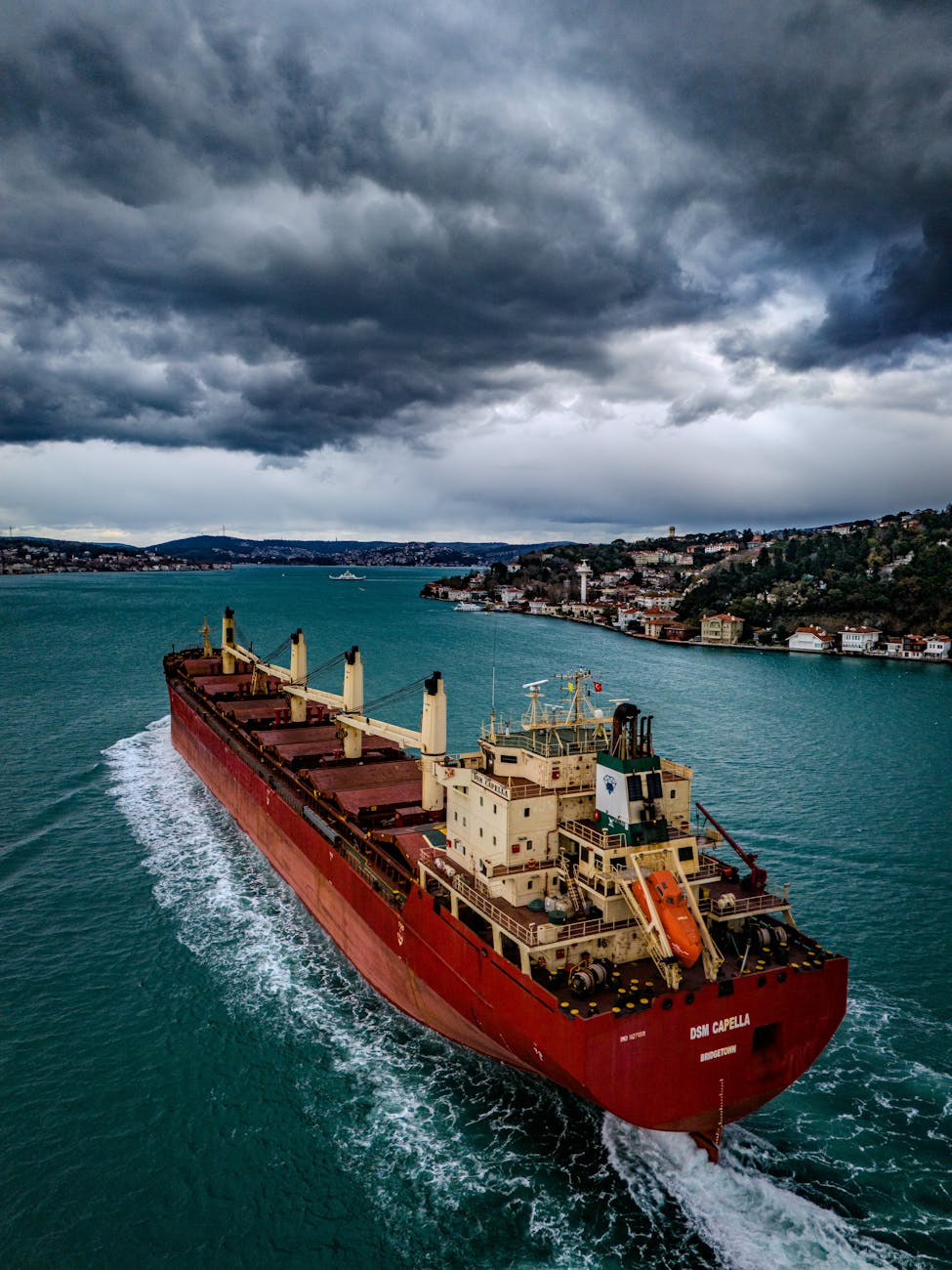
Maritime Fraud Reaches New Heights in Strait of Hormuz
Scammers posing as Iranian officials have targeted shipping companies in the Strait of Hormuz, demanding payments in Bitcoin or Tether for safe passage, according to a report from a Greek maritime risk management firm.
This fraudulent activity emerges amidst heightened maritime tensions in an area critical for global oil and natural gas transit. The Strait of Hormuz, through which approximately 20% of the world’s oil passes, has seen various incidents of aggression, including the recent firing upon merchant vessels, exacerbating the situation for shipping operators.
Scam Tactics and Recent Incidents
The scam involves messages sent to shipping companies whose vessels are stranded near the waterway, declaring that payment is required for “clearance” to transit the strait. A warning issued by MARISKS, the maritime risk management firm, stated that the scammers claimed to represent Iranian authorities and that their message included threats of gunfire if vessels did not comply. Such threats are not unfounded, as vessels have previously reported Iranian boats firing warning shots during attempts to navigate the strait.
In one alarming instance, on April 18, ships attempted to sail through the strait after a brief reopening by Iran. Two vessels, including a tanker, were confronted and forced to turn back after gunfire was discharged at them. The escalation in the region underscores the vulnerability of shipping operations, with the MARISKS alert advising shipowners to authenticate any claims and avoid making any payments.
The current situation highlights the growing trend of maritime fraud, exacerbated by the geopolitical tensions in the Middle East. According to experts, this form of cyber fraud not only threatens the shipping industry but also complicates already high-stakes logistics globally.
A Growing Concern for Global Shipping Operations
The alarming rise of scams targeting shipping companies during a period of geopolitical unrest has raised significant concerns among maritime authorities and logistics operators. Given that the strait is a critical chokepoint for oil transportation, the combination of physical threats and cyber fraud creates a complex challenge for the industry.
As tensions in the region have intensified, it has become increasingly imperative for shipping companies to implement robust verification processes when dealing with communications related to transit fees or safety assurances. The nature of these threats points to a broader risk landscape for global shipping post-2026, where regulatory and safety measures may need urgent reevaluation.
The situation emphasizes the need for vigilance against potential fraud. Maritime companies are now urged to bolster their cybersecurity defenses and be wary of any sudden requests for payment. Authorities have reiterated their stance that vessels should not comply with unsolicited demands and should instead report suspicious communications immediately.
This incident serves as a cautionary tale for logistics firms operating in high-risk maritime corridors, where geopolitics may engender not only physical but also digital threats.








