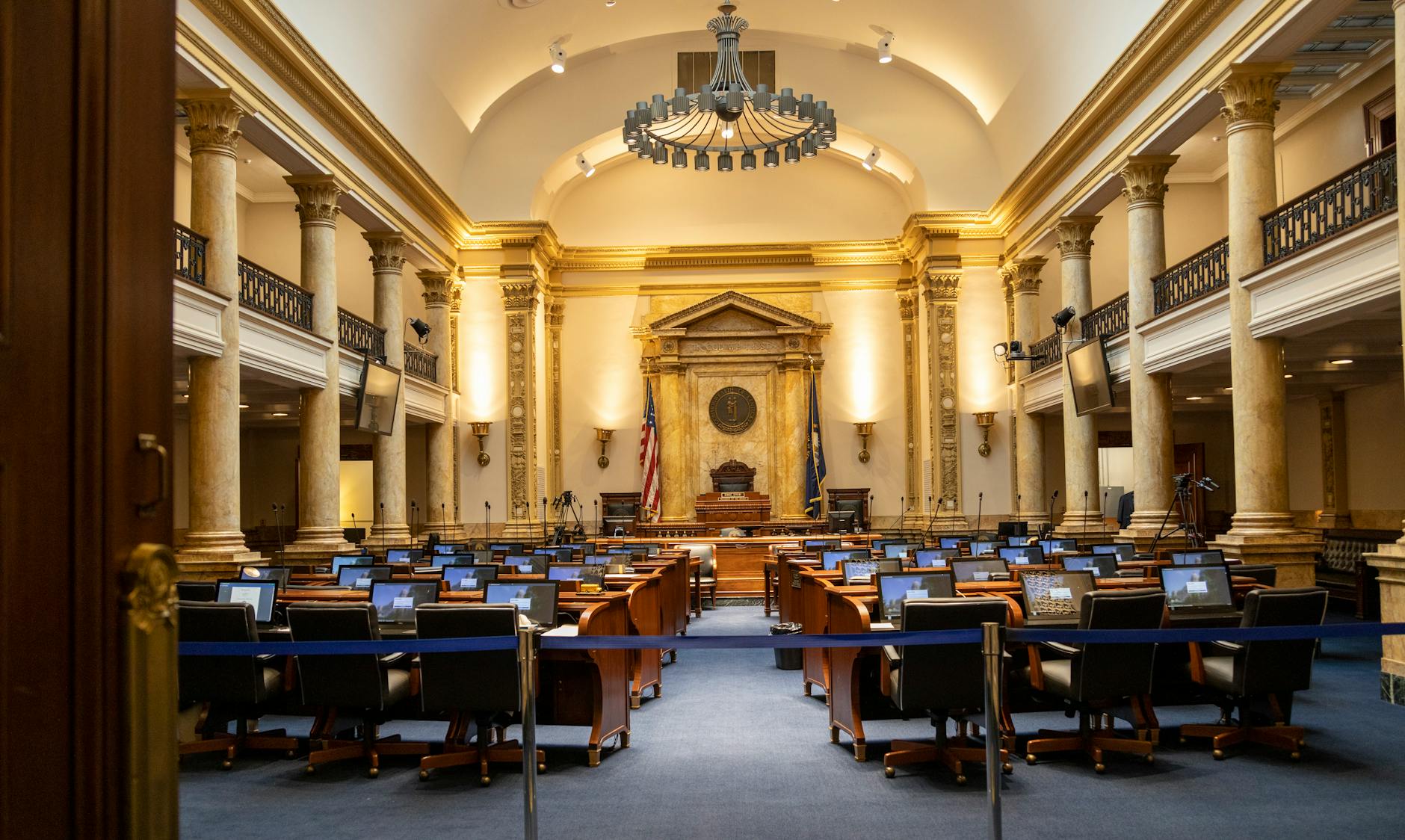
Senate Prohibits Members from Participating in Prediction Markets
The U.S. Senate unanimously adopted a rule on Thursday that bars its members and staff from trading on prediction markets, marking an effort to tackle potential conflicts of interest linked to the growing popularity of these platforms for betting on future events.
Introduced by Senator Bernie Moreno (R-Ohio), the move responded to increasing scrutiny over the ethical implications of prediction markets. Recently, these platforms have been utilized for a range of bets — not just political outcomes but also events like sports scores and even cultural phenomena. Critics warn that allowing lawmakers to engage in such markets poses significant risks of insider trading, particularly given the sensitive nature of political information that members of Congress possess.
Challenges Facing Prediction Markets
The ban was set against a backdrop of rising allegations concerning unethical betting on prediction markets. Kalshi, a popular prediction market platform, recently suspended three congressional candidates for placing bets on their own electoral campaigns, raising significant ethical questions about conflicts of interest in political betting activity. These actions have intensified calls for legislative oversight, with some lawmakers, such as Senator Chris Murphy (D-Conn.), advocating for broader reforms that could prohibit wagering on matters involving government actions.
In light of these events, many senators spoke on the floor expressing the necessity of maintaining public confidence in governmental integrity. “Engaging in any way in a prediction market where we might have inside information deteriorates our confidence that our constituents have in us,” Moreno argued. He noted that “this isn’t just about individuals, but it’s about the institution itself.”
Amid these developments, the Commodity Futures Trading Commission (CFTC) has also been urged to step in with additional regulations. This ongoing dialogue underlines the evolving regulatory landscape around prediction markets as interest in them surges. Recently, there has also been scrutiny stemming from investigative actions against a U.S. Special Forces soldier accused of insider trading linked to classified information concerning military operations.
The Future of Regulation
As Congress continues to evaluate the implications of prediction markets, the Senate’s new rule may serve as a springboard for broader legislation. A parallel resolution is reportedly on the table in the House, which could extend similar prohibitions there. Though Moreno’s resolution has garnered unanimous support, experts remain cautious regarding the effectiveness of such bans in curbing insider trading altogether.
Research suggests that more robust mechanisms for oversight may be necessary to prevent unethical behavior on these platforms. Analysts predict this will lead to heightened discussions around regulation in the upcoming congressional sessions, particularly aimed at establishing clearer boundaries for what constitutes permissible participation in prediction markets for elected officials. As calls for tighter regulations increase, the outcomes of these discussions could significantly impact how prediction markets operate within the United States and may inspire similar movements in other political arenas.