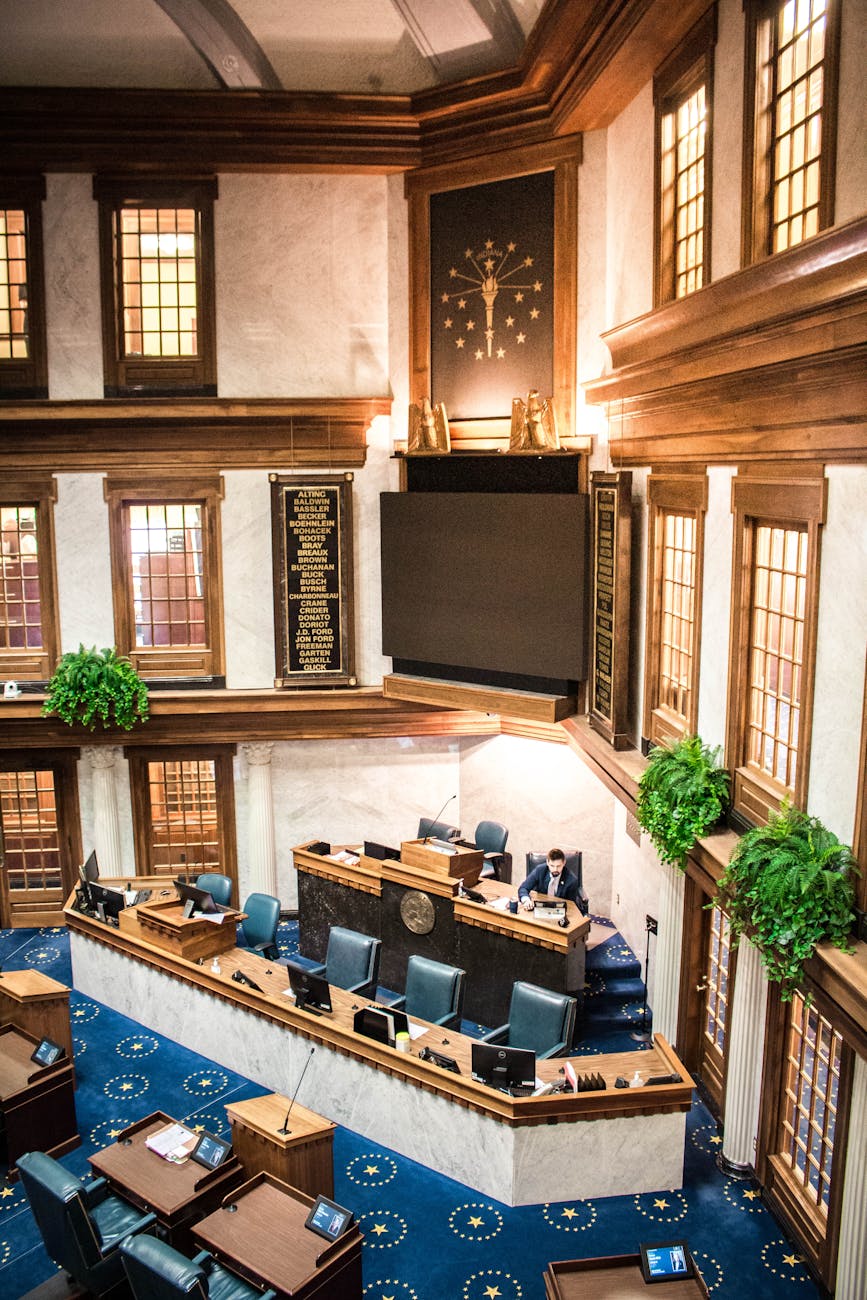
Standoff on Senate Crypto Legislation
Senator Thom Tillis declared he would block a proposed Senate crypto market structure bill unless ethical limits on White House involvement in the cryptocurrency sector are included, jeopardizing the bill’s progression.
The Digital Asset Market Clarity Act, which seeks to establish regulations for exchanges, derivatives, and stablecoins, is now potentially at a standstill due to Tillis’s insistence on ethics provisions. These provisions aim to mitigate any federal interference that could unduly influence market dynamics, particularly in light of growing concerns over former President Donald Trump’s business ties to the cryptocurrency industry.
Tillis’s Position Stands Firm
During negotiations, Tillis articulated his conditions clearly: “There has to be ethics language in the bill before it leaves the Senate, or I’ll shift from being one of the people negotiating it to voting against it.” His firm stance aligns with his previously expressed reservations about governmental overreach in private markets, as seen in other legislative measures.
This dispute adds complexity to ongoing discussions surrounding the bill. The presence of Trump’s family businesses in cryptocurrency, coupled with negotiations between Senate Democrats and Republicans, underscores a contentious environment where bipartisan cooperation is essential yet elusive.
Should these limitations not be enacted, the bill risks not reaching a vote in this legislative term. With Tillis highlighting the need for concrete measures to ensure ethical governance, the deadlock might prevent critical regulatory frameworks from being established.
Looking Ahead: Challenges and Implications
The path forward for this legislation remains uncertain. Should Tillis maintain his hardline approach, there may be significant delays as the parties attempt to reconcile their differences. Analysts predict that the inability to swiftly pass meaningful regulations could lead to continued market volatility as investors await clearer guidelines.
This congressional stalemate is also indicative of the larger climate surrounding cryptocurrency regulation in the U.S. The political landscape remains fraught, with implications for not only domestic investors but also international partners closely observing how the U.S. navigates this emerging market.