Key Takeaways
- The Solana-based DeFi platform Step Finance experienced a $27 million treasury hack impacting its native token.
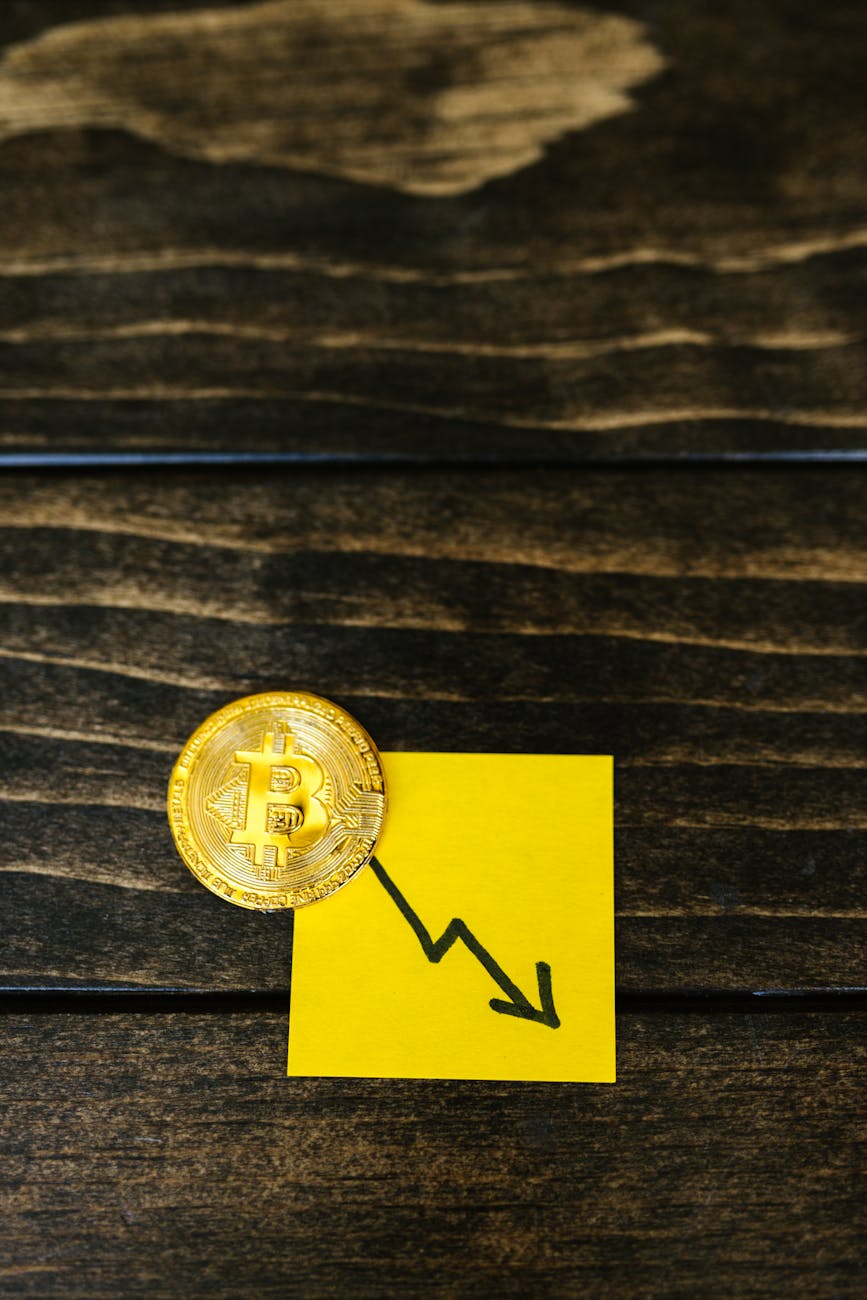
- Following the breach, exchanges responded by delisting the token, resulting in a drastic price drop of approximately 70%.
- Step Finance pledged to undergo a full audit as it aims to restore confidence and improve security measures.
What Happened
Step Finance, a decentralized finance (DeFi) aggregator operating on the Solana blockchain, confirmed a severe security breach on January 31, culminating in the theft of approximately $27 million from its treasury assets. This incident involved the attackers compromising various treasury and fee wallets, notably leading to the unstaking and transfer of around 261,854 SOL tokens, valued at approximately $30 million. According to CoinDesk, the breach raised substantial concerns due to the potential risk involved, even though user funds remained unaffected.
Why It Matters
This incident highlights the ongoing vulnerabilities within the DeFi landscape, which has been plagued by security issues throughout 2025. The rapid nature of the attack suggests that either there was prior access to the wallets involved, or it was the result of a sophisticated exploitation scheme. As attacks on treasury funds have become more common, the implications for user trust and market stability in the Solana DeFi ecosystem are significant. Many investors are now looking towards additional layer of security such as multisignature protocols, which could aid in preventing future breaches. The incident echoes previous concerns raised throughout the year regarding treasury-focused attacks across the DeFi sector, accentuating the need for robust risk management strategies.
What’s Next / Market Impact
The aftermath of this breach has prompted immediate reactions in the market, with exchanges promptly delisting Step Finance’s native token following the news. This decision significantly contributed to a staggering 70% drop in the token’s value as traders rushed to mitigate their exposure to the affected asset. Meanwhile, Step Finance announced its commitment to hire external cybersecurity firms for forensic analysis and is planning a complete audit of its security measures. Without a detailed recovery timeline or clarity on how the hack occurred, market sentiments remain strained. According to sources, the current atmosphere is a cautionary tale for other DeFi platforms as they navigate the complexities of asset security management while aiming to foster user confidence in a volatile market.[1][2][3]