Tether Expands Horizons with New AI Model Framework
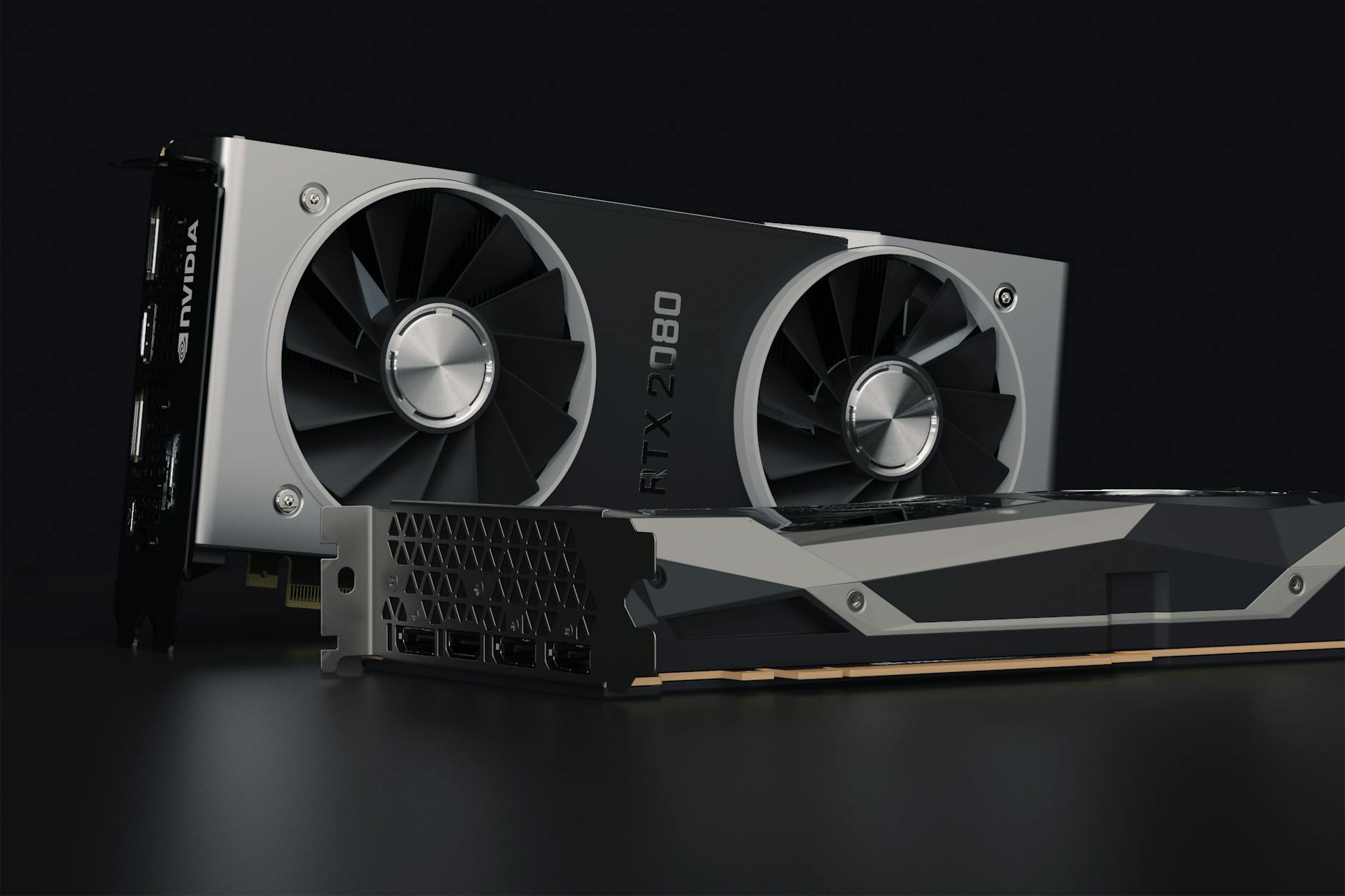
Tether has unveiled its innovative QVAC Fabric technology, which allows multi-billion-parameter AI models to operate on consumer hardware, including smartphones and GPUs, fundamentally changing how AI deployments are conducted. This shift aims to enhance user privacy while reducing reliance on cloud computing, marking a significant broaden in Tether’s operational strategy beyond just stablecoins.
The QVAC Fabric integrates a substantial change in the AI landscape as it enables the execution and fine-tuning of large language models (LLMs) directly on devices, thereby eliminating the need for extensive cloud infrastructure. This development comes at a time when privacy and data security are paramount, as it keeps sensitive information localized, addressing growing concerns associated with data breaches in cloud systems.
Technical Innovations in QVAC Fabric
The QVAC platform leverages advanced functionalities such as BitNet LoRA for fine-tuning, alongside an open-source infrastructure that facilitates the deployment of LLMs on everyday devices. With validated applications that can handle tasks ranging from email style transfers to biomedical inquiries, the framework aims to enhance model accuracy and reasoning capabilities, according to Tether’s reports.
A notable component of the QVAC initiative is its provision of expansive synthetic datasets like QVAC Genesis I and II, which encompass billions of tokens across various domains. These datasets significantly bolster the capability of models to parse and engage in complex reasoning tasks, effectively paving the way for a new era of AI capabilities accessible to the average consumer.
Partnerships with organizations such as Rumble and Northern Data have facilitated the integration of over 20,000 GPUs into QVAC’s network for research and development purposes. This collaborative effort optimizes application utilization across various platforms, utilizing peer-to-peer model updates and local encryption for enhanced data security and performance.
Industry Impact and Future Directions
Tether’s introduction of QVAC represents a pivotal moment in democratizing technology, according to Tether CEO Paolo Ardoino, who emphasized the elimination of “gatekeepers” in AI access. By making advanced AI systems available on commonly used devices, Tether aims to empower users and enhance their control over personal data.
This launch not only aligns with Tether’s decentralized Web3 ambitions, but it also sets a benchmark for performance in local AI processing. The ability to execute complex processes on devices without constant internet access addresses long-standing latency issues that often hinder usability in cloud-based frameworks. Independent evaluations show that models trained with QVAC datasets demonstrate superior reasoning compared to those relying on traditional synthetic datasets.
Looking ahead, Tether plans to roll out a comprehensive software development kit (SDK) update in 2026 to further enhance developer engagement with QVAC’s tools. Such expansions are anticipated to catalyze a broader adoption of edge AI technology, potentially transforming the app development landscape across healthcare, productivity, and beyond.
The implications of Tether’s advancements reverberate throughout the AI and cryptocurrency sectors, signaling a shift towards user-sovereign AI systems that prioritize privacy and availability. As the demand for decentralized solutions grows, QVAC could set the stage for more innovations that reshape the future of technology and create new opportunities for enterprises and consumers alike.
Sources
- Tether’s QVAC pushes multi‑billion‑parameter AI models onto phones and consumer GPUs
- Tether unveils AI framework for mobiles
- Tether privacy-focused health platform launched
- Tether’s AI hub for personal health data
- QVAC Tether platform
- Tether QVAC datasets reported
- Tether training LLMs on smartphones
- Tether QVAC AI breakthrough news