Market Reactions to Geopolitical Tensions
Trump’s threatening tweet regarding Iran’s control over the Strait of Hormuz led to a notable surge in WTI crude oil futures, which climbed 2.7% on Sunday, amid rising fears of escalating military tension in the region.
The former president’s ultimatum, issued via a social media post, demanded Iran open the strategic waterway or face retaliatory strikes on its energy infrastructure. This alarming directive sent ripples through the oil markets, pushing WTI crude futures to approximately $111.50 per barrel, signaling increased anxiety over global energy supply disruptions.
Investor Sentiment and Bitcoin’s Resilience
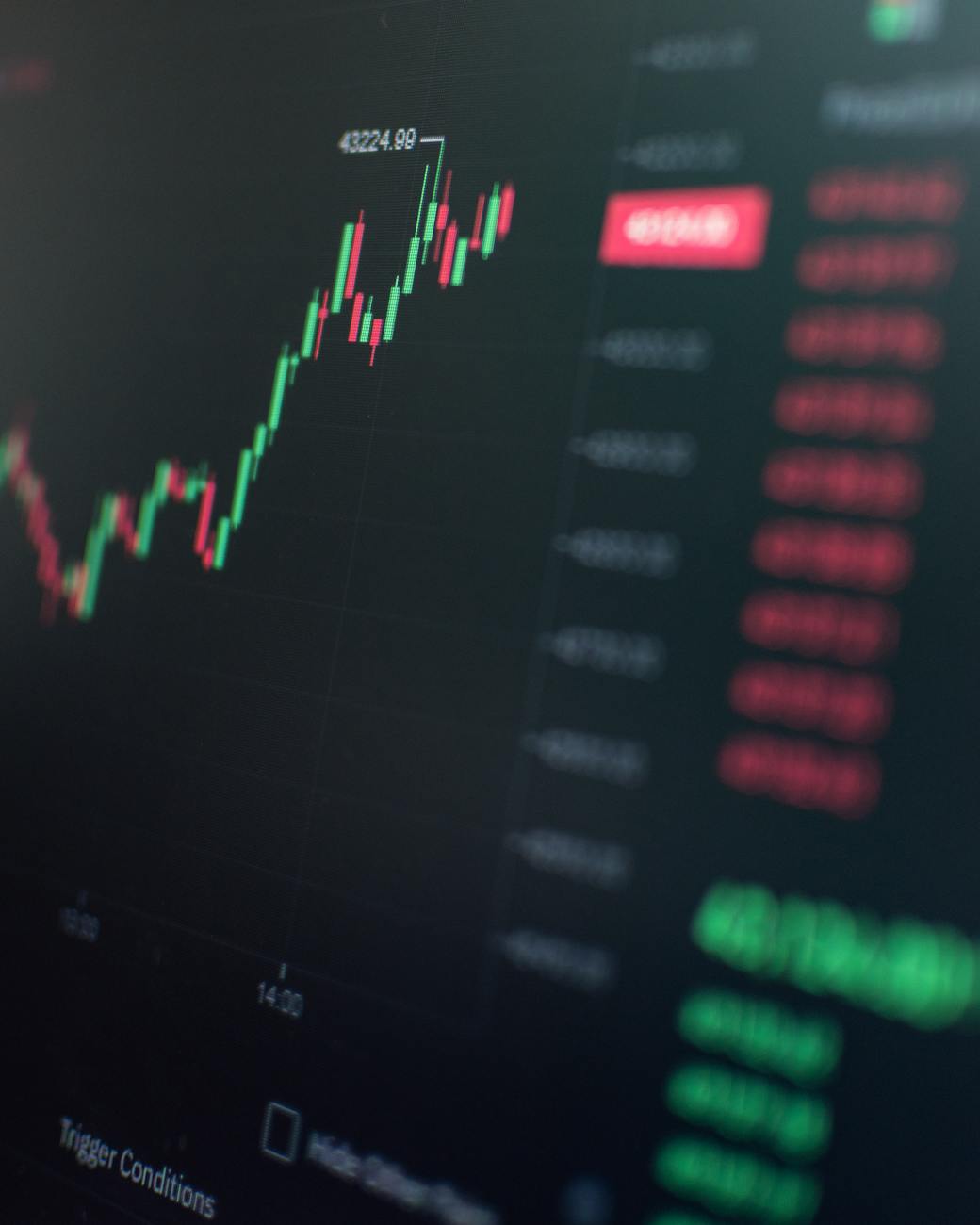
At the same time, Bitcoin prices reacted positively to the geopolitical unrest, hitting a new high of $69,000, showcasing a complex interplay between digital and traditional asset classes amidst fears of instability. Investments in cryptocurrencies often reflect a flight to perceived safe-haven assets in uncertain times.
Despite the troubling developments in the Middle East, Bitcoin’s resilience demonstrates a shift in how global investors are approaching risk. This performance contrasts with earlier market conditions where traditional equities displayed a more substantial downturn as risk aversion took hold. Indeed, equity futures fell as investors recalibrated their portfolios in light of heightened geopolitical uncertainty.
This dual market response illustrates a growing divergence between traditional commodities and cryptocurrencies, where Bitcoin is becoming increasingly viewed as an alternative asset in times of crisis, despite ongoing volatility factors within its ecosystem.
Broader Implications and Future Outlook
Looking ahead, analysts anticipate that investors should prepare for potential volatility across all asset classes in the coming week as the situation in the Middle East continues to develop. With the oil market’s response suggesting heightened anxiety, further escalation could lead to spikes in oil prices, potentially testing the $200 per barrel mark if the Strait remains closed.
As geopolitical events unfold, the financial markets will likely remain sensitive to narratives surrounding energy security, military engagements, and diplomatic negotiations. The situation underscores how interconnected and responsive today’s markets are to global events, a reality that investors must navigate with caution in the weeks ahead.