
Two U.S. Warplanes Downed Over Iran Amid Escalating Tensions
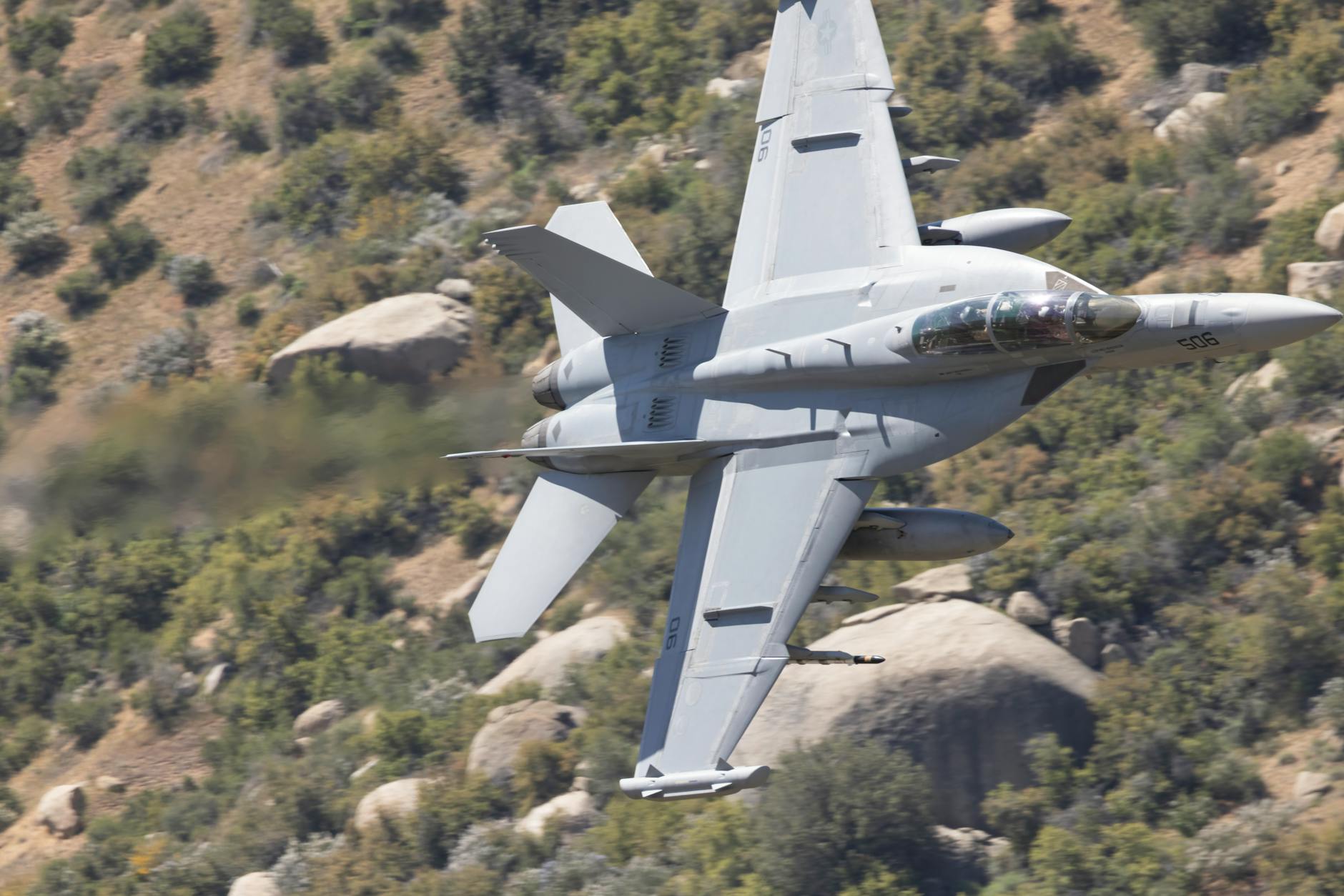
April 3 marked a significant escalation in Middle Eastern tensions as two U.S. combat aircraft—an F-15E Strike Eagle and an A-10 Thunderbolt II—were shot down over Iran. One crew member from the F-15E remains unaccounted for, prompting urgent rescue operations amidst fears of further conflict.
The incidents occurred during a period of rising hostilities between the United States and Iran, highlighting the precariousness of the region’s security dynamics. U.S. and Israeli military sources confirmed the attacks, with Iranian state media attributing the downings to enhanced air defenses. Videos circulating on social media depict rescue efforts, including C-130 aircraft and helicopters flying low over southwestern Iran, conducting search operations after the downing of the F-15E.
Crisis Unfolding in the Persian Region
Efforts to locate and rescue the missing pilot are underway, featuring U.S. Special Operations forces. Initial reports indicated that one of the F-15E’s crew members successfully ejected from the aircraft and was rescued after being located by American forces. However, the fate of the second crew member remains uncertain, complicating the operational environment as search-and-rescue missions are conducted in a hostile territory.
This combination of events is particularly alarming, as U.S. military assets have endured multiple attacks in recent weeks, and the risk of a broader confrontation with Iran looms. Tehran has expressed its willingness to respond militarily to perceived aggressions, further straining an already tense situation in the region.
During a press briefing, American officials reported that Iranian fire also targeted a UH-60 Black Hawk helicopter involved in the rescue mission, although all personnel on board remained safe. These developments could escalate military engagement and lead to dire consequences for U.S. personnel stationed in the region.
Possible Implications of Elevated Military Tension
Analysts suggest that the ongoing situation could have far-reaching repercussions, not only for U.S.-Iran relations but also for broader geopolitical dynamics. The search for the F-15E pilot exemplifies the delicate balance between safeguarding military personnel and the strategic risks associated with potential further military conflict.
As discussions about U.S. engagement rules and military presence in the Middle East heat up, officials and defense experts are urging for a measured response. The international community has called for calm and transparency in any investigations into the incident. Should hostilities escalate, it may trigger a more extensive involvement of U.S. and allied forces in the region, inflaming tensions between East and West.








