UAE Withdraws from OPEC After 59 Years
United Arab Emirates officially exited OPEC and OPEC+ on April 28, 2026, marking the end of a nearly six-decade-long membership and removing its oil production plans from the cartel’s agenda. This withdrawal ignited fears over supply disruptions in the critical Strait of Hormuz, leading to a significant drop in Bitcoin’s value.
The UAE’s exit comes at a crucial time as the ongoing Iran war has unleashed significant disruptions on global energy markets. OPEC has seen its members struggling to ship oil through the Strait of Hormuz— a vital maritime route through which approximately 20% of the world’s crude oil and liquefied natural gas flows, previously dominated by Iran and now fraught with the risk of Iranian threats and military action, according to reports by various news outlets.
Market Response to the Withdrawal
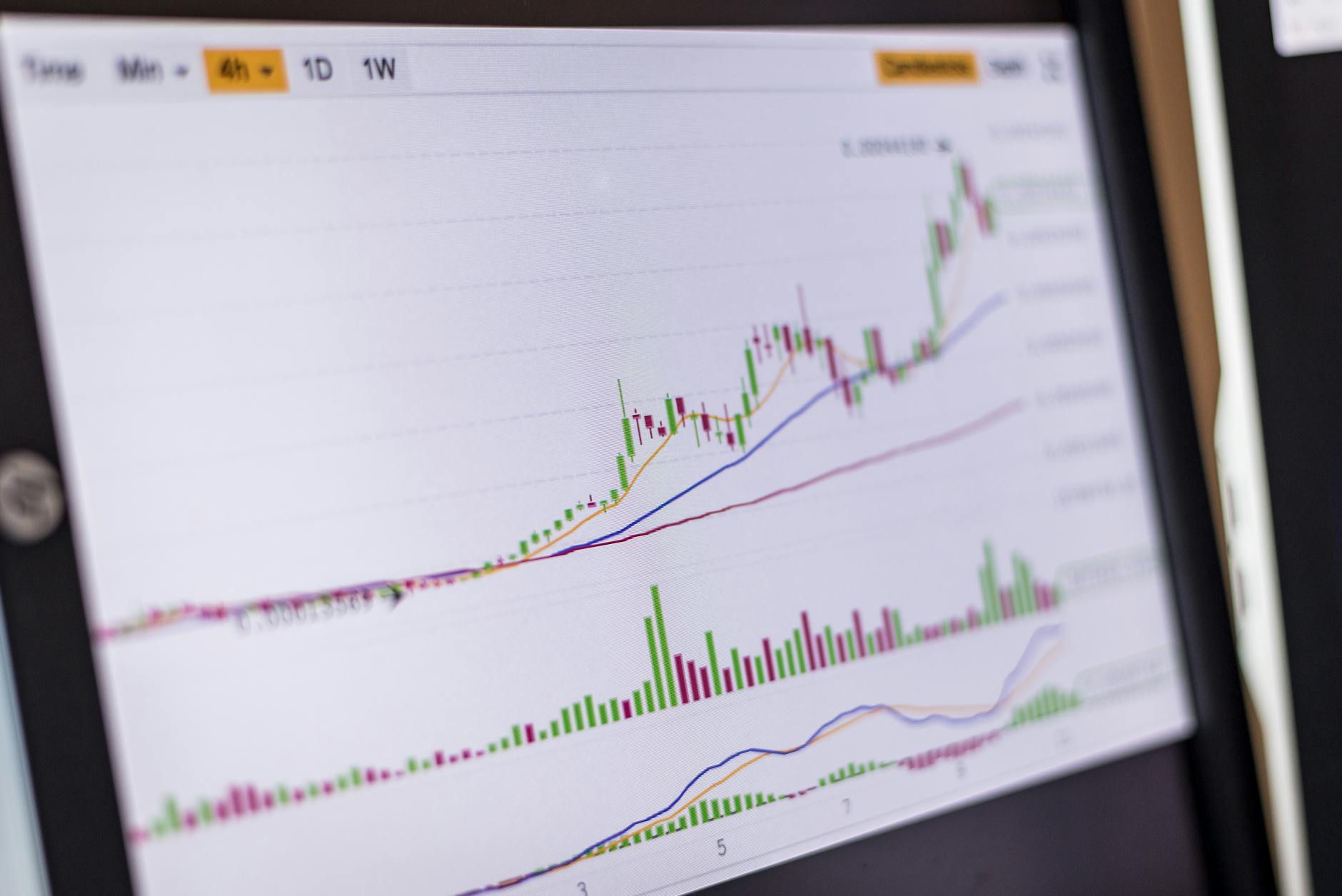
The repercussions of the UAE’s departure were immediate and severe, reverberating across multiple markets. Bitcoin, which had been hovering around a high of $79,490, swiftly fell below the $76,000 mark as traders reacted to the heightened uncertainty surrounding oil supply and geopolitical tensions in the region. The cryptocurrency market, which has often mirrored global financial sentiments, saw substantial sell-offs reflecting broader investor trepidation.
Data shows that Bitcoin’s rapid drop is symptomatic of a larger trend influenced by global events; traders are increasingly jittery about operational disruptions and what this would mean for oil-dependent economies. Alongside fears specifically tied to oil prices, Bitcoin has faced increasing speculation on its potential to serve as both a hedge and a risk asset.
As Bitcoin slid, other altcoins similarly experienced downward pressure. The cryptocurrency market saw a wave of liquidity drain as investors sought safety in traditional assets amid the political turmoil exacerbated by OPEC’s instability.
Future Implications for Oil and Cryptocurrency Markets
Looking ahead, analysts suggest that the UAE’s exit could lead to greater oil production autonomy for the Gulf state, likely disrupting the existing dynamics of global oil prices. The possibility of the UAE ramping up production outside of OPEC’s constraints raises questions about the stability of oil prices, essential for economies heavily reliant on oil revenues.
As concerns over geopolitical stability persist, the correlation between oil prices and cryptocurrency markets will likely remain tightly intertwined. Navigating this new chapter will require investors to remain vigilant against further instability, not only within the oil sector but across global financial systems that are sensitive to fluctuations during periods of heightened geopolitical tensions.