
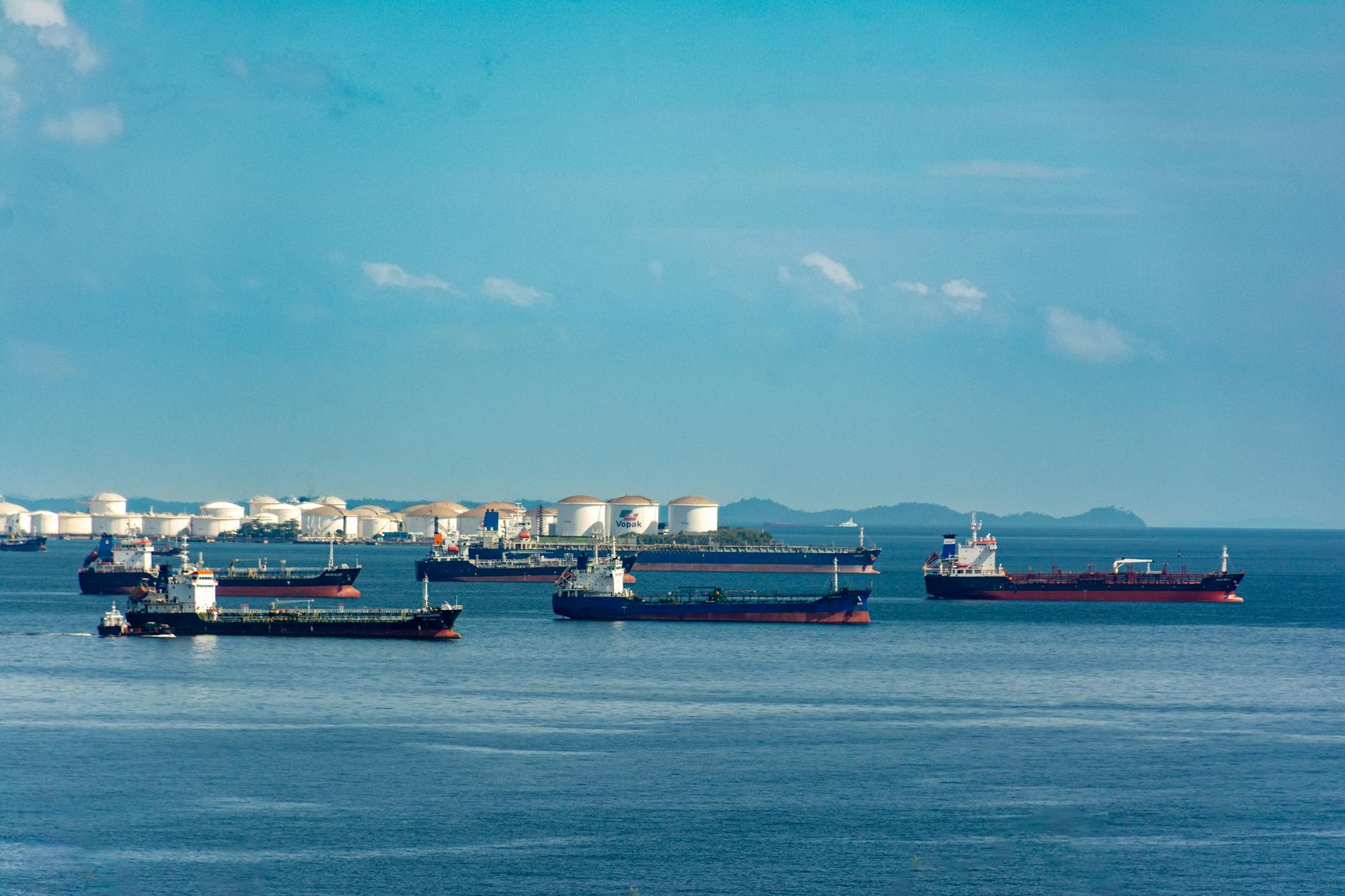
U.S. Navy Implements Blockade of Iranian Ports Amidst Rising Tensions
The U.S. Navy initiated a blockade of Iranian ports on April 13, 2026, in a bid to stifle Tehran’s oil revenue while ensuring that the Strait of Hormuz remains open for international shipping. This strategic move has already caused a significant spike in global oil prices.
The blockade was put in place following the collapse of peace negotiations between the U.S. and Iran, further exacerbating tensions in an already precarious region. The U.S. Central Command announced that the blockade will apply to all vessels, regardless of their nationality, seeking to enter or exit Iranian coastal areas. Ships traversing between non-Iranian ports will still be permitted to pass through the strait, which historically sees about 20% of the world’s oil transported daily.
Impact on Global Oil Prices
Following the announcement of the blockade, oil prices surged significantly, with U.S. crude rising 8% to $104.24 per barrel and Brent crude increasing 7% to $102.29. Such an immediate reaction in the market underscores the influence that geopolitical tensions have on oil supply dynamics. Analysts suggest that the blockade will further tighten global oil markets, pushing prices even higher as the demand for non-Iranian oil sources increases.
According to market analysts, this blockade is likely to discourage shipping through the Strait of Hormuz, as Iran has previously been accused of charging tolls on ships navigating through the region. The situation creates a potential risk for a severe reduction in shipping volumes, possibly dropping below 10% of pre-war levels, which would have an amplified impact on global oil prices and supply.
Future Outlook for U.S.-Iran Relations
Looking ahead, the implications of the blockade could extend beyond immediate oil price fluctuations. With Iran promising retaliatory actions against any military vessels in the strait, analysts expect to see further diplomatic frictions, risking the fragile stability in the region. This military action by the U.S. can potentially result in heightened defense spending by Iran, further escalating tensions and the potential for conflict.
The blockade and rising oil prices may also prompt discussions around energy strategies among countries dependent on oil imports from the Middle East, potentially accelerating the transition to renewable energies. As nations and investors assess the geopolitical risks involved, the market’s response will be closely watched to gauge further developments in this ongoing situation.
Sources
- U.S. Blockades Iranian Ports in Strait of Hormuz: Oil Prices Spike Higher
- Oil Prices Rise After U.S. Says It Would Block Iranian Ports Starting Monday
- Oil prices jump on US plans to blockade Iranian ports in Strait of Hormuz
- Oil prices surge on blockade vow, failed U.S.-Iran talks
- Live Updates: U.S. set to begin Iranian ports blockade, partial blockade of Strait of Hormuz after talks fail
- Oil prices rise after U.S. military announces blockade of Iranian ports








