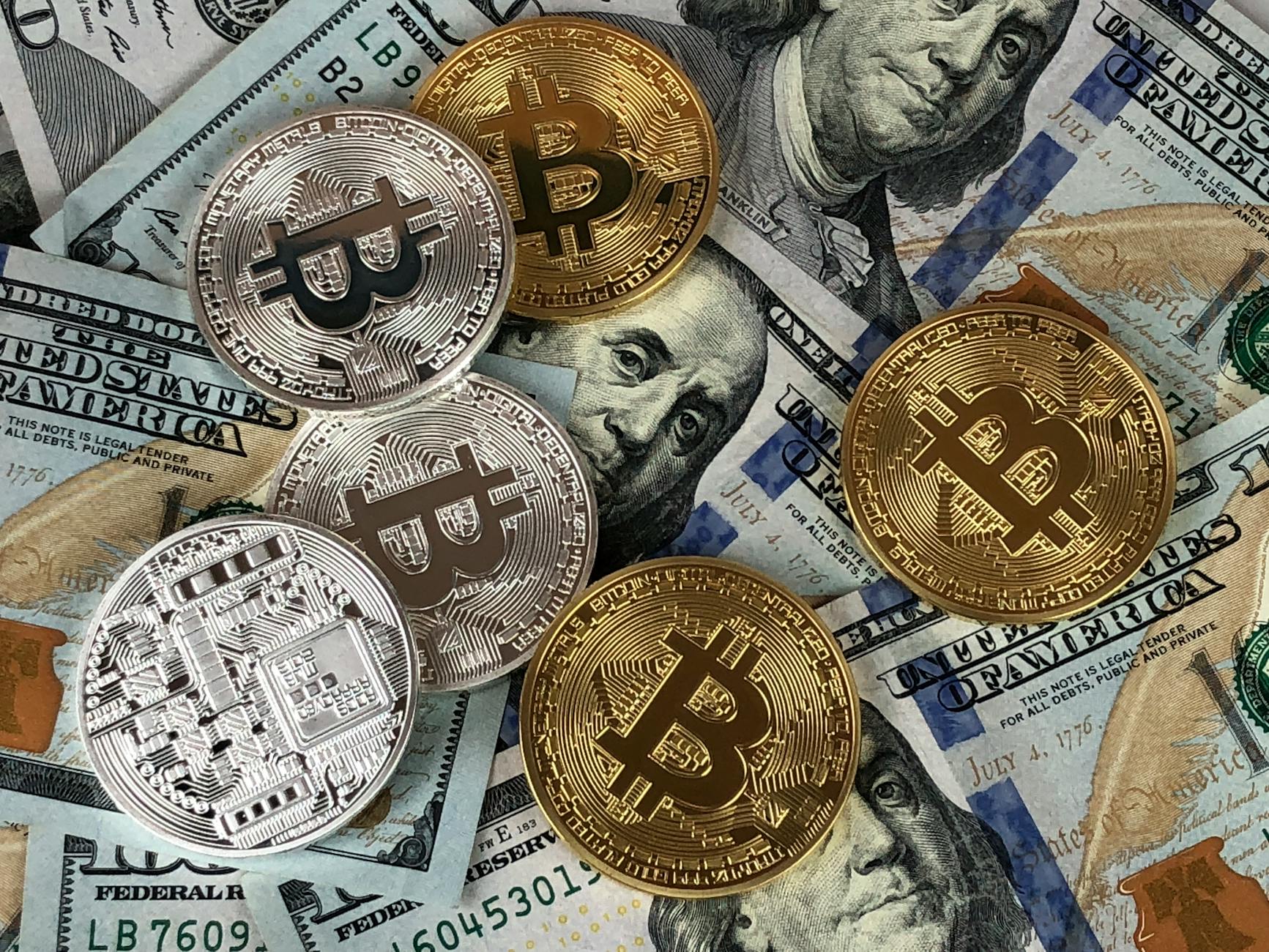
U.S. Treasury Targets Crypto Laundering for North Korea
The U.S. Treasury Department announced sanctions against six individuals and two firms on March 13, 2026, for laundering approximately $800 million worth of cryptocurrency intended to support North Korea’s nuclear weapons program.
This action underscores the ongoing efforts by U.S. authorities to combat illicit financial activities linked to North Korea, particularly in the growing landscape of cryptocurrency. The sanctioned entities allegedly operated within the cryptocurrency exchange ecosystem, using complex laundering techniques to funnel assets directly to the Democratic People’s Republic of Korea (DPRK). The sanctions are implemented in accordance with various regulations governing anti-money laundering (AML) and counterterrorism financing.
Enhancing Crypto Sanctions
The newly sanctioned individuals and companies are part of a broader strategy by the U.S. government to disrupt financial networks that facilitate North Korea’s access to foreign currency and technological advancements for weapons development. These efforts come amidst increased scrutiny of North Korea’s cyber operations, which have, according to reports, netted the regime over $2 billion through cryptocurrency thefts in recent years.
U.S. officials believe that targeting those operating in the cryptocurrency space sends a strong signal to the global crypto community about the diligence being applied to stop financial crime. The sanction list includes specific details about the sanctioned individuals and organizations, asserting their roles in facilitating the flow of illicit funds to the DPRK, thereby breaching international sanctions.
Market Reaction and Implications
The U.S. financial markets showed a mixed reaction to the announcement, as cryptocurrency prices remained relatively stable immediately following the sanctions. Industry experts noted that while sanctions are significant, the decentralized nature of cryptocurrency makes enforcement complex and challenging.
Analysts suggest that, although immediate market disruption may be limited, such actions could lead to increased regulatory scrutiny across platforms that facilitate cryptocurrency transactions. As governments worldwide grapple with how to regulate digital assets, heightened regulatory frameworks may emerge, focusing more on compliance from exchanges to prevent similar incidents in the future.
Next Steps for the U.S. Government
In the wake of these sanctions, the U.S. Treasury is likely to continue monitoring the cryptocurrency space for illicit activities linked to North Korea. Regulatory adjustments can be expected, aimed at enhancing transparency in cryptocurrency transactions. As enforcement mechanisms evolve, exchanges may need to adopt stricter compliance protocols and conduct more rigorous due diligence checks on their users to mitigate the associated risks of unauthorized transactions.
The implications of this situation extend beyond the present; they signify a trend toward an increased focus on compliance within the cryptocurrency sector. As both domestic and international regulatory landscapes develop, it becomes essential for crypto users and companies to stay informed and prepared for the potential shifts in operational frameworks that may arise from ongoing dialogues on financial security and sanctions enforcement.