US Stocks Decline Amid Geopolitical Tensions
U.S. equity markets closed sharply lower on March 20, with the S&P 500 index slipping below the critical 6,550 support level for the first time, driven by rising geopolitical tensions and investor caution over inflation uncertainty.
The S&P 500 settled at 6,683.7, marking a decline of approximately 2.5% year-to-date, representing a sustained period of volatility that has persisted for four consecutive weeks. This downturn follows significant market pressure underpinned by expectations regarding energy prices amid geopolitical developments, particularly revolving around tensions with Iran and the resultant reactions in the oil markets.
Falling Below Key Technical Support
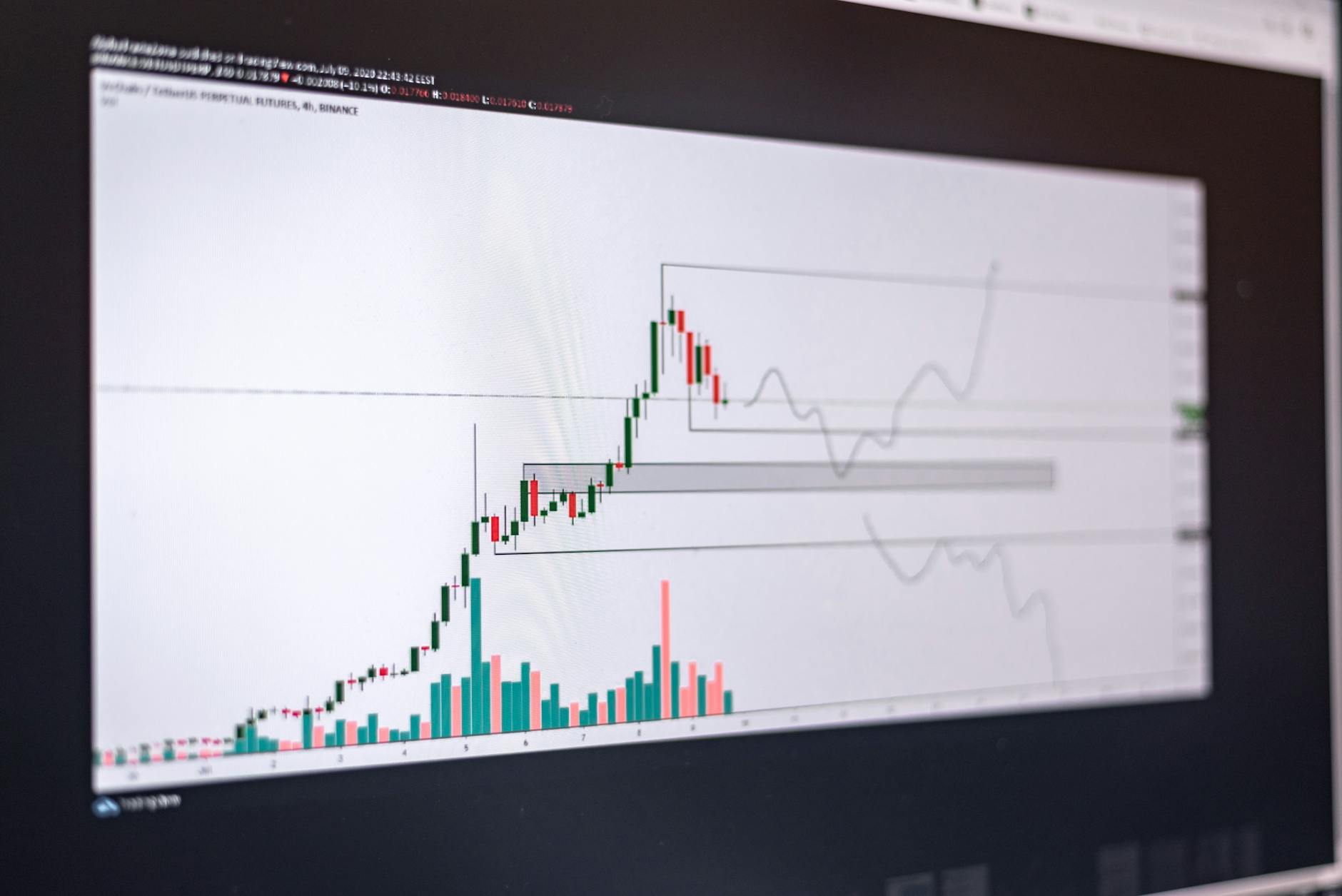
The index’s drop below the 6,550 threshold is seen as a pivotal moment that strengthens the overall risk-off sentiment in the markets. The close also marked the S&P 500’s first finish below its 200-day moving average since May 2025, which typically signals bearish territory among investors. The rising VIX volatility index, now close to 27, further reflects the mounting uncertainty among traders.
Investors reacted to Secretary of the Treasury Scott Bessent’s announcement regarding U.S. allowances permitting Iranian oil tankers to transit the Strait of Hormuz, an effort designed to alleviate soaring energy prices. However, this measure has had limited impact, overshadowed by Iran’s retaliatory threats against significant energy infrastructure in Saudi Arabia, Qatar, and the UAE, which sent crude oil prices surging more than 2% on the announcement.
According to analysts, fears of increasing inflation have emerged as a primary concern among investors, particularly following a surprise rise in February’s producer prices. The Consumer Price Index (CPI) holding steady at a year-on-year rate of 2.4% may mask underlying inflationary pressures, with discussions suggesting that the upcoming CPI readings could reflect further market impact due to these geopolitical tensions.
Market Sentiment Worsens Amid Rising Inflation Fears
The recent downturn has not only been technical but has also seen marked changes in market sentiment. Current sentiment indicators show that bearish positions among investors have exceeded 50%, signaling a growing pessimism towards market recovery. The 14-day Relative Strength Index (RSI) is nearing oversold territory at 35.9, further emphasizing potential selling strength in the shorter term.
The technical analysts suggest that a recovery above levels near 6,882.6 is necessary to shift sentiment back towards a more positive outlook for equities. However, key support is now firmly positioned at 6,601, close to the previously mentioned 200-day moving average.
Long Forecast’s projection anticipates that the S&P 500 will end March at approximately 6,545, continuing a trend of weakness likely through May before tentatively regaining strength in the fourth quarter.
What Lies Ahead for the Markets?
As market participants consider the unfolding geopolitical climate alongside domestic inflation pressures, the overall outlook remains uncertain. Analysts assert that energy prices will likely remain volatile due to the geopolitical situation around Iran and its implications on international supply chains and investor confidence.
Moreover, as traders brace for the next market shifts, observations point out that a full-blown crisis could initiate a liquidity reset, pressuring longer-term strategies that have so far yielded positive year-on-year returns. The anticipated reaction from the Federal Reserve regarding interest rates could further shape investor behavior and decisions in the near term. In this context, continuing vigilance and adjustments in investment strategies may be essential.