Imagine living in a town where every shop accepts only one kind of payment: loyalty points from the biggest supermarket. At first, it feels convenient — everybody uses the same system, and trade is smooth. But soon, people realise the supermarket holds all the power. It can decide who gets to shop, raise prices at will, and even ban customers it doesn’t like.
Now imagine if smaller shops start accepting different kinds of tokens, local notes, or even gold coins. Suddenly, the monopoly is broken. Consumers have more freedom, and the big supermarket’s influence begins to wane.
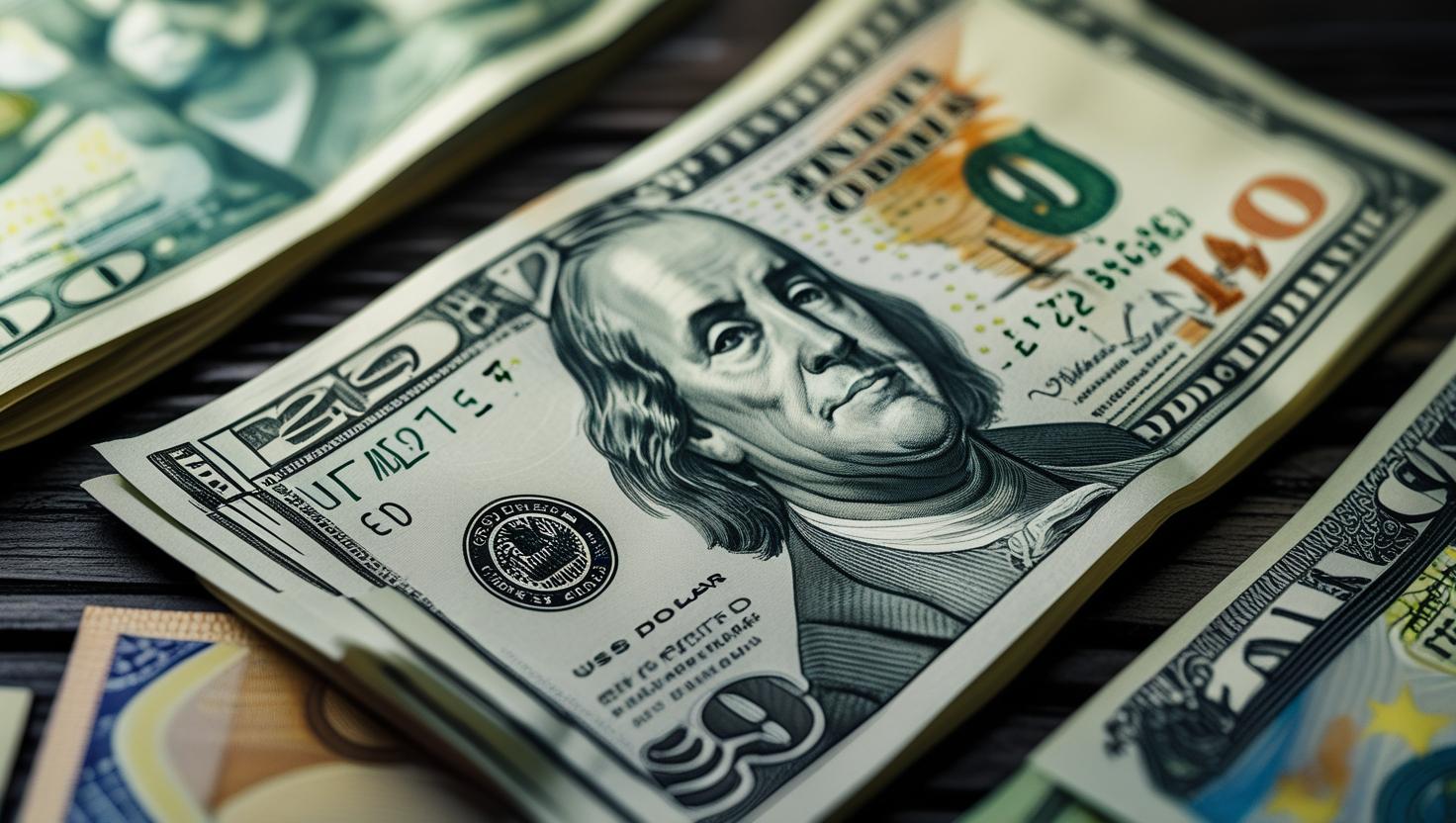
This is, in essence, what the world calls de-dollarisation — the attempt by countries to reduce their reliance on the US dollar for trade, investment, and reserves. For many years, the dollar has been the global “supermarket loyalty point” and has dominated international finance. But in recent years, a growing number of nations have been searching for ways to step out of its shadow.
De-dollarisation: Why are countries moving away from the Dollar?
The dollar’s dominance provides the United States with enormous leverage. The dollar still accounts for almost 60% of the world’s foreign exchange reserves, and it is used to price a large portion of international trade, particularly commodities like oil. This system works smoothly for many, but for others, it comes with hidden risks.
One reason is sanctions. Countries like Russia, Iran, and Venezuela have seen how the US can use the dollar system as a political weapon, cutting them off from international payments. For them, finding alternatives isn’t just about economics — it’s about survival. As one analyst put it, “the dollar gives Washington a financial veto over much of the world’s economy.”
Another motivation is financial independence. When countries depend heavily on the dollar, they indirectly become tied to U.S. monetary policy. If the Federal Reserve raises interest rates, the ripple effects can destabilise emerging economies, making borrowing more expensive and weakening their local currencies. By diversifying into other currencies or gold, governments hope to gain more stability.
There’s also the issue of dollar volatility. For economies already facing inflation and fragile currencies, sudden swings in the dollar’s value can wreak havoc. Using local or regional currencies can cushion them from these shocks.
China, BRICS, and the push for alternatives
The loudest drumbeat for de-dollarisation comes from China. Over the past decade, Beijing has promoted the yuan as a rival currency, particularly in energy markets. The concept of the “petroyuan”, where oil is sold in Chinese currency, is a direct challenge to the traditional “petrodollar” system that has underpinned U.S. financial dominance since the 1970s.
The most prominent representation of the movement outside of China is the BRICS bloc, which stands for Brazil, Russia, India, China, and South Africa. In 2023, it expanded to include new members like Saudi Arabia and the UAE, bringing major energy exporters into the fold. These countries have been discussing everything from creating a shared reserve currency to digital payment platforms like BRICS Pay, which would allow cross-border transactions in local currencies.
However, the story isn’t straightforward. While Russia and China are eager to break free of the dollar, India has been more cautious. New Delhi favours increasing rupee-based trade with select partners but has pushed back against calls for a single BRICS currency. The BRICS bank has been supporting local currencies, but “without venturing into a common one,” according to El País.
Other regions testing the waters for de-dollarisation
It isn’t just the big players. Smaller economies, too, are experimenting with alternatives to the dollar.
- In Bolivia, shortages of US dollars pushed the government to settle some trade in Chinese yuan.
- In Ghana, authorities proposed paying for oil with gold rather than dollars.
- Due to Western sanctions, Russia now requires that some gas exports be paid for in rubles rather than dollars or euros.
These experiments are like the local shops in our town analogy—they don’t overthrow the big supermarket, but they give people more ways to transact.
But can the dollar be replaced?
Here’s the catch: even when alternatives emerge, the dollar continues to outperform its competitors. According to IMF figures, it accounts for approximately three-fifths of world reserves. The Japanese yen, the euro of the European Union, the British pound, and the Chinese yuan are all significantly behind. The dollar’s liquidity, trust, and depth make it difficult to match.
In other words, accepting new tokens in a few establishments is one thing; abandoning the old system for a full town is quite another. For the time being, the globe believes that the dollar is the safest and most convenient alternative.
However, its share has gradually declined, from more than 70% of reserves in 2000 to around 58% today. Despite the modest adjustment, the tendency is clear.
What does de-dollarisation mean for the future?
It’s unlikely that the dollar will disappear as the world’s main reserve currency anytime soon. Instead, we may be heading toward a multi-currency world, where the dollar remains dominant but alternatives gain more prominence. Think of it less like the supermarket being abandoned and more like townsfolk spreading their purchases across different shops.
For the United States, this gradual diversification could result in higher borrowing costs and reduced financial leverage. For emerging economies, it could mean more resilience and autonomy. For the rest of us, it means a more complex but also more balanced global financial system.