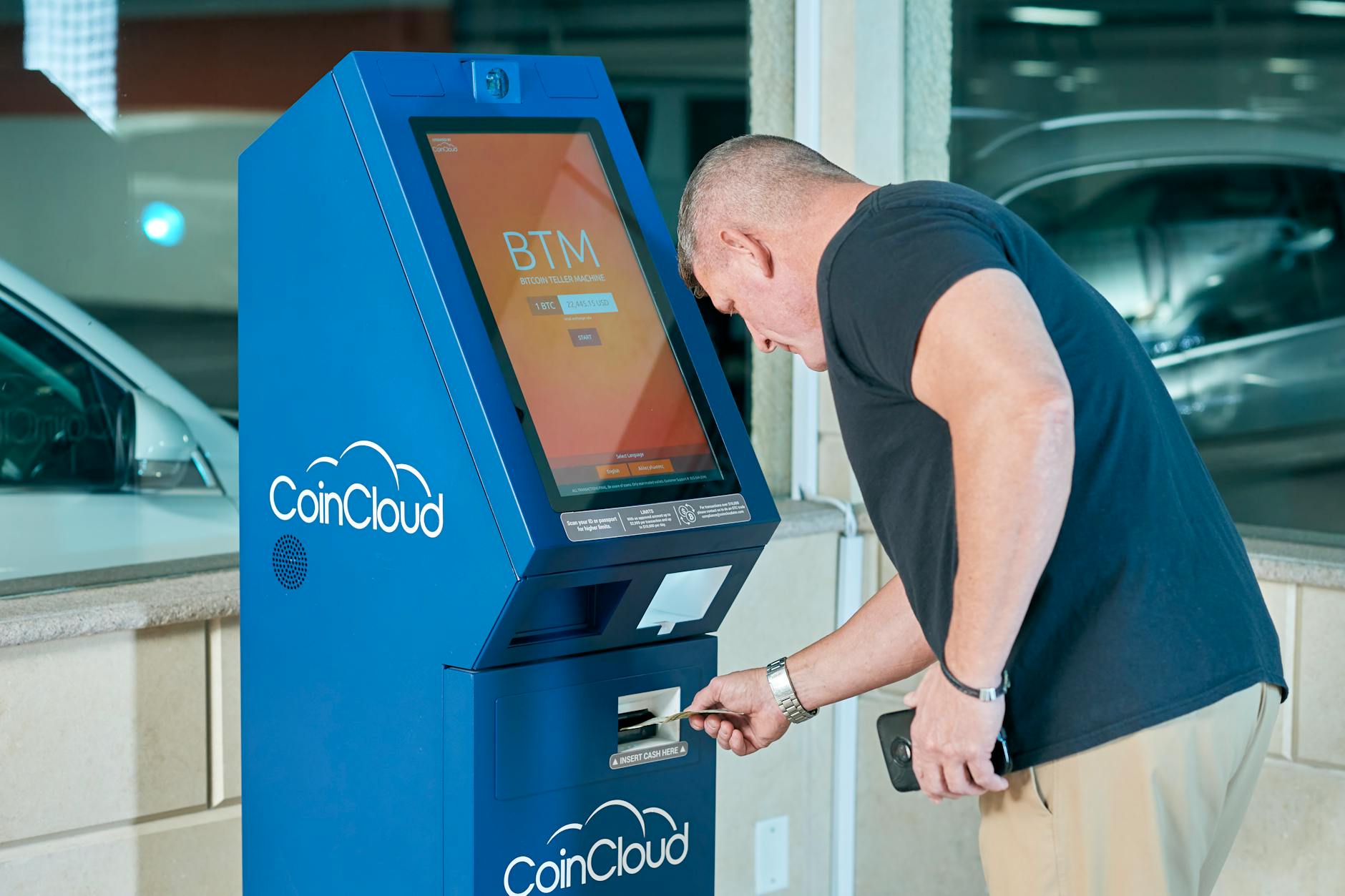
Bitcoin Depot Implements ID Verification for All Transactions
Bitcoin Depot announced on February 24, 2026, it will require identity verification for every transaction at its U.S. Bitcoin ATM kiosks, marking a significant move to strengthen compliance and enhance security measures amid regulatory scrutiny.
This policy builds upon the existing “First-Transaction ID Verification” rule by extending identity checks to all customers, including returning users. The company aims to bolster its Know Your Customer (KYC) standards and enhance fraud detection capabilities with real-time monitoring. CEO Scott Buchanan emphasized that the continuous verification will assist in identifying and flagging suspicious patterns before transactions are approved, tackling issues such as identity theft and money laundering. This strategic adjustment comes responding to a significant rise in crypto ATM scams, which led to $333 million in reported losses in 2025, according to the FBI.
Reasons Behind the Shift
Prior to this update, Bitcoin ATMs employed a tiered verification system, requiring different levels of identification based on transaction amounts. Under the previous model, transactions under $960 typically required only a phone number, while those exceeding $960 required a government ID. With the new mandate, all transactions, regardless of amount or customer history, will necessitate ID verification. This change reflects an increasing trend across the cryptocurrency industry, as operators seek to adhere to stricter regulatory requirements to curtail illicit activities.
Bitcoin Depot’s announcement comes at a time when both federal and state regulators are amplifying their focus on the cryptocurrency landscape, targeting anti-money laundering compliance and fraud prevention. Executives highlighted the importance of adaptation within the evolving financial ecosystem, showcasing initiatives aimed at ensuring customer security. “Continuous verification allows us to detect suspicious activity… By requiring identity verification at every transaction, we are taking an additional step to strengthen security, protect customers, and maintain the integrity of our services,” Buchanan stated.
This revamped compliance strategy positions Bitcoin Depot as a frontrunner in regulatory adherence among crypto ATM operators in the United States, which has been an issue of contention among industry players.
The Broader Implications for the Crypto Sector
Industry analysts predict that Bitcoin Depot’s move could set a new standard for others in the cryptocurrency space, and may catalyze further actions from competing operators to adopt similar measures. Stricter compliance protocols could potentially reshape the ATM segment of the crypto market, particularly for companies targeting lower-risk customers and investment scenarios.
Moreover, the implications of such policies extend beyond just transactions; they may influence how new customers engage with cryptocurrency. Increased identification requirements could deter casual users, further complicating the balance between security and user convenience within the sector. Cryptocurrencies thrive on moves toward decentralization and anonymity, meaning that such compliance measures might discourage participation from those who prioritize privacy. As the industry matures, operators may need to prioritize the development of efficient and user-friendly identification solutions to mitigate potential friction.
As regulations evolve, those companies that can effectively navigate compliance while appealing to a user base that appreciates privacy will likely emerge as leaders in the market.