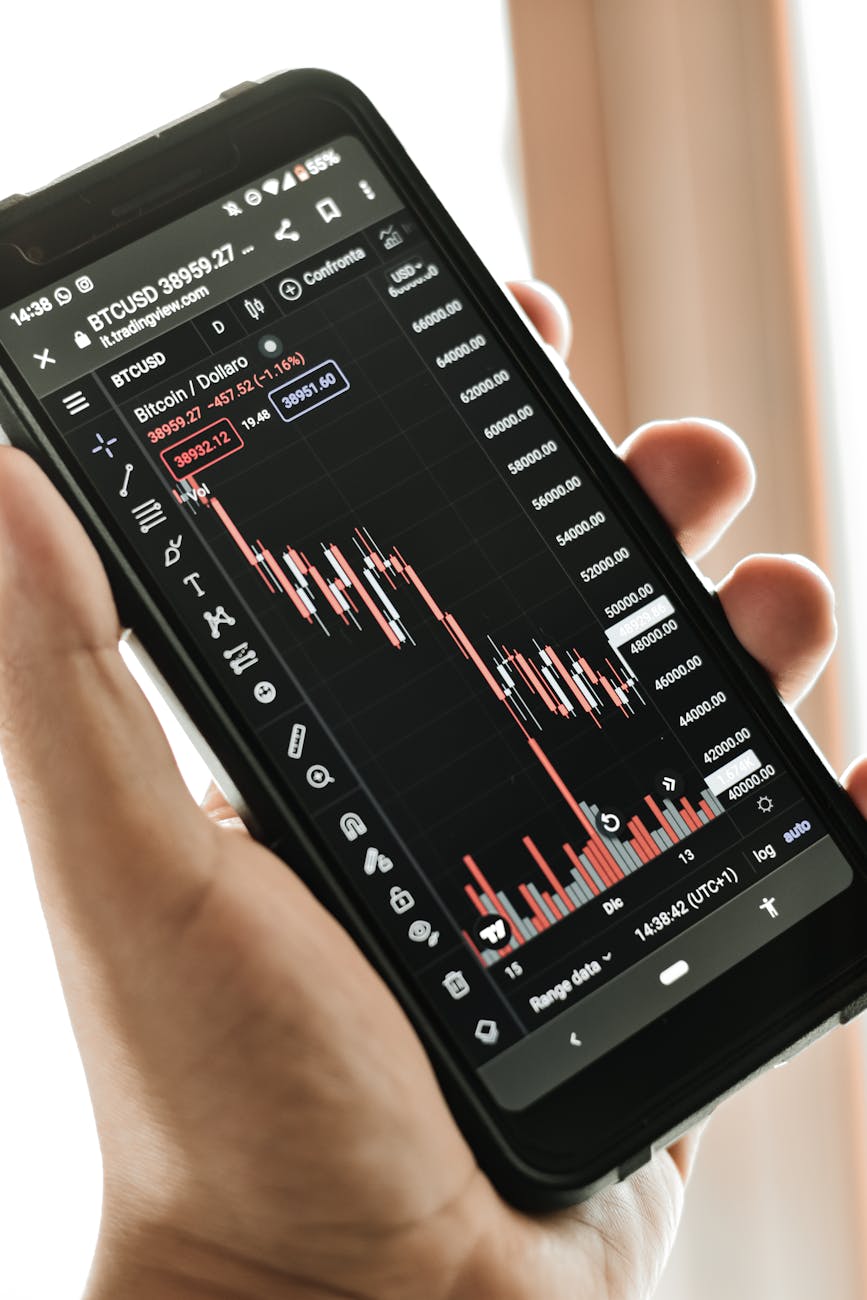
Bitcoin Fluctuates Amid Geopolitical Tensions
Bitcoin dropped below $64,000 on February 28, 2026, following a military escalation involving the U.S. and Israel’s attack on Iran, spurring concerns across the crypto market. This decline overshadowed a previous bottom signal that had propelled BTC prices up by 130% earlier this year, drawing speculation on future price recovery despite the sharp drop.
During this period, Bitcoin experienced an alarming 50% decrease from its October 2025 high of $125,000. As geopolitical uncertainties rattle investor confidence, analysts are divided on whether Bitcoin can find support at the $60,000 mark, and many are looking for signs that could indicate a potential market rebound or deeper volatility.
Market Movements and Key Developments
In tandem with Bitcoin’s decline, many major cryptocurrencies like Ethereum and Solana experienced significant price drops, indicating a broader market sell-off. For instance, the price of SUI fell by 12% to approximately $0.88, amidst a backdrop of three newly launched spot ETFs from major players like Canary Capital, Grayscale, and 21Shares. Analysts suggest that SUI is facing persistent selling pressure at a critical support zone, leading to bleak short-term recovery prospects.
Conversely, the Pi Network token saw a notable increase, rising from $0.13 to $0.17, fueled by bullish sentiment driven by positive chart patterns and rumors of potential exchange listings, particularly with Kraken. The token aims for a target price of $0.25, reflecting a recovering relative strength index (RSI).
On the DeFi front, Aave celebrated a milestone by surpassing $1 trillion in cumulative lending volume, affirming the platform’s robust growth and relevance in the decentralized finance landscape.
Regulatory Challenges and Security Concerns
Adding to the market’s turbulence, financial oversight in South Korea faced scrutiny after its National Tax Service inadvertently disclosed mnemonic codes, leading to a theft of approximately $480 million worth of PRTG coins from seized cold wallets. This incident has prompted police to initiate a cyber investigation to track the theft, highlighting ongoing security vulnerabilities within the sector and the challenges posed by regulatory lapses.
In the overarching environment, both traditional stock and cryptocurrency markets are reacting to the geopolitical climate, with significant players such as Galaxy Digital, Bitfarms, HIVE Digital Technologies, and Solana registering spikes in trading volumes as reported by MarketBeat. This suggests a dual interest from traditional investors and cryptocurrency proponents amid rising uncertainty, further complicating trading strategies.
What Comes Next for Cryptocurrency?
Market analysts emphasize that sustained uncertainty from geopolitical events may continue to limit Bitcoin’s recovery potential. With Bitcoin holding just above the $60,000 support level, traders are keenly monitoring the asset’s price action for indications of strength or further weakness. Should recovery commence, analysts predict that Bitcoin could gain traction; however, further escalatory risks could impede any rebound efforts.
The broader narrative in the cryptocurrency industry continues to revolve around regulatory adaptations and market resilience. As platforms like Circle launch new tokens such as USDCx on Cardano, which integrates with DeFi applications like Minswap and Liqwid, the emphasis on innovation amidst adversity remains palpable.