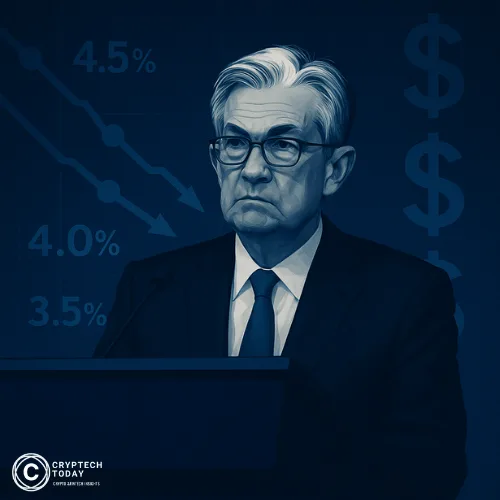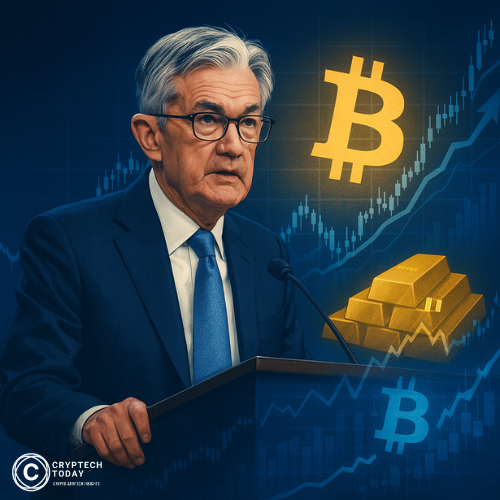
The Fed rate cut at the October 2025 meeting concluded with a widely anticipated 25 basis point reduction, setting the policy rate to 3.75%–4.00%. The move marks a deliberate shift from tightening to fine-tuning, an acknowledgement that inflation has eased and growth is slowing, but recession risks remain manageable.
Federal Reserve Chair Jerome Powell emphasised that the central bank remains data-dependent and not yet ready to commit to an extended easing cycle. However, by softening the policy stance and halting balance sheet runoff starting in December, the Fed effectively signalled that the hiking era is over.
This Fed rate cut in the October 2025 decision was nearly fully priced in, with the CME FedWatch Tool assigning a 98–99% probability before the announcement. The cut reflects growing concern about a cooling labour market and declining inflation momentum, both of which justify a mild recalibration rather than a policy reversal.
Markets React: Equities Catch a Breath, Crypto Stabilises, Gold Shines
The Fed rate cut in October 2025 has already begun reshaping asset flows. Equity markets, long burdened by high rates and cautious sentiment, are showing early signs of renewed confidence. The S&P 500 and Nasdaq futures rose modestly post-announcement, reflecting investor belief that the worst of the tightening cycle is over.
For cryptocurrencies, the impact is more nuanced. Historically, rate cuts fuel liquidity-driven rallies, yet short-term volatility persists. Bitcoin hovered around $113,000 heading into the meeting, showing resilience after recent liquidations. While the rate cut adds macro support, traders remain cautious until clear evidence of further easing emerges in December.
Gold, on the other hand, continues to benefit directly from lower real yields and a softer dollar. The metal’s steady climb above $3,970 underscores its appeal as a hedge against policy uncertainty and a reminder that traditional safe havens still outperform when markets waver between greed and caution.
Next Quarter Outlook: How More Cuts Could Shape the Investment Cycle
Looking ahead, the path of Fed rate cuts will shape the global liquidity narrative. If the Fed delivers another 25bps cut in December, the combined easing could trigger a Q1 2026 risk-on rotation supporting crypto, gold, and equity valuations simultaneously.
Lower policy rates reduce borrowing costs, compress bond yields, and increase the relative attractiveness of alternative investments like Bitcoin, Ethereum, and gold. Historically, such liquidity infusions have driven crypto bull phases, with Bitcoin prices rising an average of 16–20% within three months of rate cuts.
In contrast, equity markets, which have already priced in much of the tightening pain from 2023–2024, now face a different dynamic: the “catch-up” trade. As rates fall and corporate financing costs ease, risk appetite returns to tech, growth, and emerging markets. The capital rotation that previously fueled AI stocks may now spill into broader cyclical sectors, signalling that equities, after two years of discounting, are reasserting leadership.
Balancing Hope and Hard Reality
The Fed rate cut in October 2025 is less about stimulus and more about stability. Powell’s caution ensures the easing remains controlled, preventing inflation resurgence while gradually restoring liquidity to financial markets.
For investors, this transition matters more than the cut itself. The October–December window could define the tone for 2026: a soft landing supported by lower rates, firmer equity valuations, and gradual risk capital returning to crypto. Yet, overconfidence is a danger, as seen in the November 4–5 crypto correction, leverage and speculative excess remain systemic risks.
The Fed’s patience is an advantage, not a flaw. A slow, steady easing cycle gives markets time to digest, reallocate, and recover. Gold should retain its hedge status, crypto will consolidate before the next surge, and equities are finally positioned to regain their upward trend after a long year of repricing.
If the Fed cuts again in December, we may be witnessing the first stage of a liquidity reset, one that favours diversified portfolios, disciplined leverage, and long-term conviction over short-term speculation.