
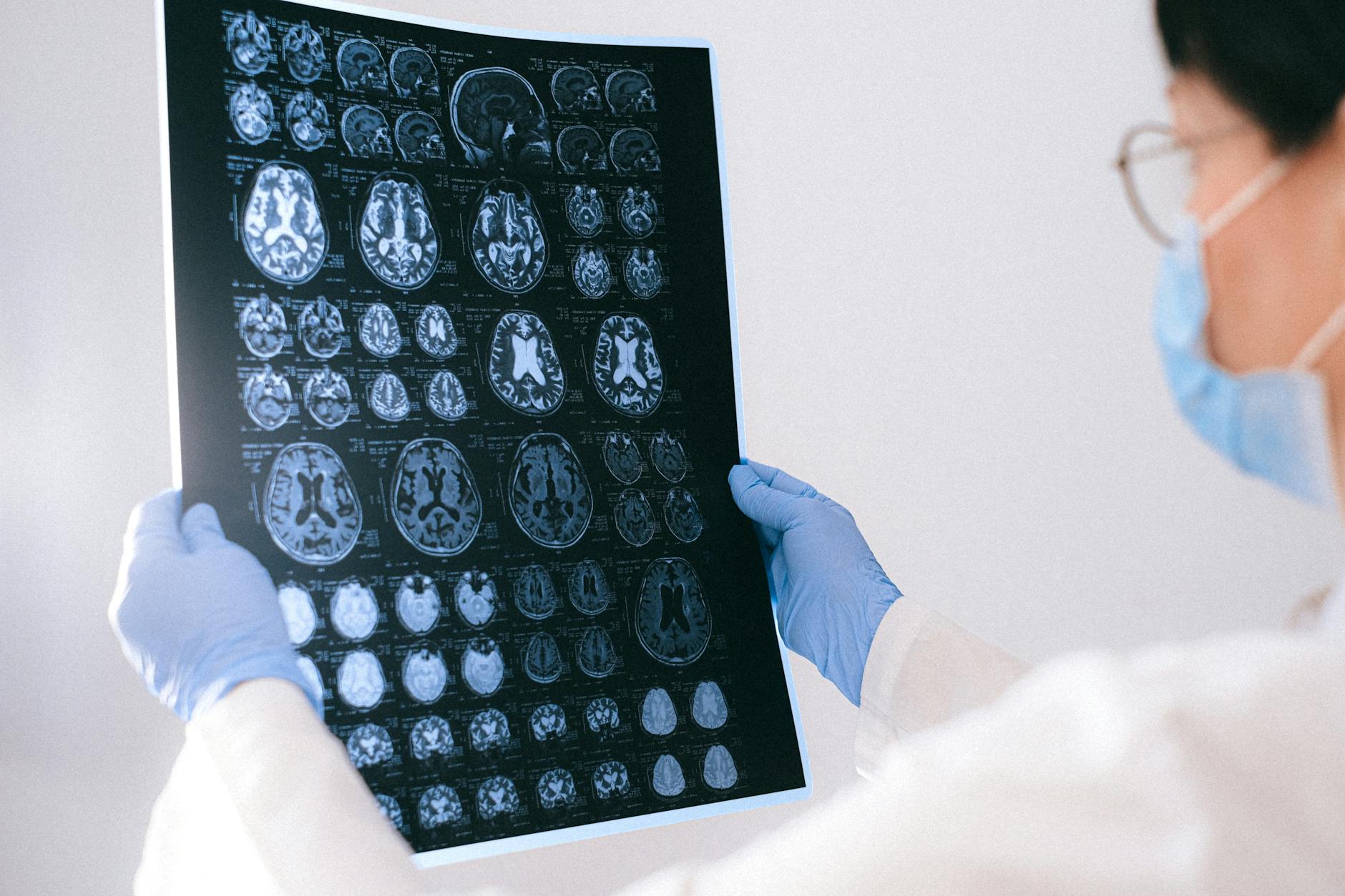
OpenAI Invests $100 Million in Alzheimer’s Research Efforts
OpenAI has committed over $100 million in research grants to combat Alzheimer’s disease, targeting six institutions nationwide. This funding represents a pivotal step as the organization expands into disease-specific medical research, highlighting a strategic shift towards AI-enhanced healthcare solutions.
The initiative marks OpenAI’s first significant investment in medical research, reflecting an ambition to leverage advanced technologies to tackle neurodegenerative disorders. By focusing on early detection and prevention, the company aims to harness AI’s potential in enhancing diagnostic methods and clinical trials. It aligns with a growing trend in the healthcare sector that seeks to employ artificial intelligence to improve patient outcomes and streamline treatment protocols.
Details of the Research Initiative
According to sources, OpenAI’s research partnerships will combine multidisciplinary expertise from leading institutions to drive innovation in Alzheimer’s diagnosis and treatment. Grant recipients include academic medical centers known for their pioneering work in neurodegenerative disorders. The specific institutions and the exact research projects involved have not been publicly disclosed yet.
This new approach underscores OpenAI’s intention to demystify claims surrounding AI’s role in curing diseases. While past statements from CEO Sam Altman suggested that artificial intelligence could yield scientific breakthroughs, the current initiative highlights a more pragmatic focus on collaboration with existing medical frameworks to enhance understanding and treatment of illnesses like Alzheimer’s, rather than claiming that AI alone will provide the answers.
The allocation of these funds also emphasizes the urgency of progressing toward tangible results amidst rising incidences of Alzheimer’s, which currently affects millions globally. Early detection and intervention strategies remain critically important in managing the disease, making the research investments timely and relevant. As the medical community seeks innovations to enhance care, AI’s role may become increasingly prominent.
Implications for the Healthcare Sector
Industry experts suggest that this substantial investment could spark a cascade of advancements in how neurodegenerative disorders are approached. By utilizing generative AI and machine learning techniques, researchers hope to uncover patterns and insights that might lead to earlier diagnoses and more personalized treatment plans. This proactive approach stands in stark contrast to the historically reactive strategies that dominate current healthcare models.
The emphasis on AI-driven healthcare solutions signals a broader shift within the medical field, confirming that technology will play an integral role in future healthcare delivery. As more organizations recognize the potential of AI to transform diagnosis and treatment, the pharmaceutical and biotech industries may increasingly adopt similar methodologies to improve their research and development processes.
Analysts also express optimism over the potential for collaborative projects between tech companies and healthcare institutions. A cohesive strategy that merges technology with medical expertise can not only amplify research output but also expedite the transition from lab discoveries to practical applications in clinical settings.
Broader Impact on AI and Healthcare
Looking ahead, OpenAI’s funding effort could redefine the landscape of healthcare research, encouraging other tech firms to invest in medical applications. As the world confronts a growing aging population and the related healthcare challenges that come with it, the integration of AI into healthcare systems could become more pronounced.
This trend is increasingly relevant as healthcare systems evolve, necessitating approaches that can scale efficiently while addressing emerging health crises. OpenAI’s foray into Alzheimer’s research may catalyze a more significant emphasis on AI in broader healthcare contexts, potentially shaping how medical research is conducted in the future.








