US’ Stablecoin law — the GENIUS Act— will not only change how Americans use digital money. Its ripple effects will impact bank accounts, fintech startups, and exporters worldwide. For India, a nation at the centre of global IT and money flows, the move is both a big opportunity and a big risk.
The GENIUS Act
Imagine a digital coin that always equals one US dollar — no wild swings, no “crypto rush” one day and collapse the next. That’s the idea behind stablecoins. With the GENIUS Act (Guarding Against Nation-state threats by Establishing Unified and Resilient Stablecoins Act, introduced in 2024), the US has moved toward creating a clear federal framework for regulating dollar-backed stablecoins, especially those issued by non-bank entities.
This move turns stablecoins from a tech experiment into mainstream digital money, accepted in shopping, trade, and banking — if regulators follow through. Since most stablecoins are pegged to the US dollar, it further entrenches American currency dominance in global finance.
A new dawn for global payments
The worldwide payments system in use today is cumbersome, slow, and costly. According to WTO statistics, in 2024, over $24 trillion in goods moved between countries, but sending money across borders can take days and eat up profits with bank fees and FX charges.
Stablecoins promise near-instant, low-cost transfers over blockchain networks, bypassing SWIFT and traditional banking rails. For Indian exporters, freelancers, and families receiving remittances, this could mean faster payouts and fewer fees.
Some analysts estimate stablecoin-enabled remittances could save Indian families billions annually, especially if adoption grows in the Gulf and US-India corridors.
Could stablecoins upend India’s financial system?
But every new technology has unintended consequences. If millions of Indians begin using dollar-backed stablecoins — for wages, e-commerce, or investments — it could erode the RBI’s monetary sovereignty. Less reliance on the rupee means less influence over interest rates, inflation control, and domestic savings behaviour.
Taxation is another grey area. India’s crypto tax regime is evolving, but stablecoins often escape classification—are they currency, assets, or something else? Without clear rules, they could become a tool for capital flight or tax evasion, especially if used on decentralised wallets.
And with stablecoins tied to US Treasuries and banking systems, India may find itself even more exposed to American financial policy, just as BRICS nations push for alternatives to dollar hegemony.
What’s the gain for Indian startups and tech firms?
Not all news is bad. The GENIUS Act provides regulatory clarity, which removes legal fog around stablecoins. For Indian fintech and Web3 startups, this opens the door to building globally interoperable apps — stablecoin-powered wallets, lending platforms, or cross-border payroll services.
With India’s strong digital payments backbone (like UPI and Aadhaar-based KYC), developers could marry the speed of stablecoins with local compliance and user-friendly design. This could create export-ready fintech tools usable from Nairobi to New York.
Are there any hidden dangers?
The stablecoin dream isn’t foolproof. Even big companies like Circle (USDC) and Tether (USDT) have had issues keeping their pegs. In 2022, USDC briefly fell to $0.88 after Silicon Valley Bank collapsed. These short-term losses can shake confidence, especially when billions are at stake.
The GENIUS Act mandates 1:1 fiat reserves and regular audits, which helps — but it doesn’t fully shield users from bank failures, reserve opacity, or liquidity mismatches.
If an Indian bank or fintech is heavily exposed to a failing stablecoin, cross-border contagion could follow. That’s why regulators globally are calling for interoperable, stress-tested stablecoin standards under the Financial Stability Board (FSB).
How should India respond to US’ Stablecoin law?
At this point, India stands at a crossroads:
- Should it mirror US-style stablecoin rules, or create its own?
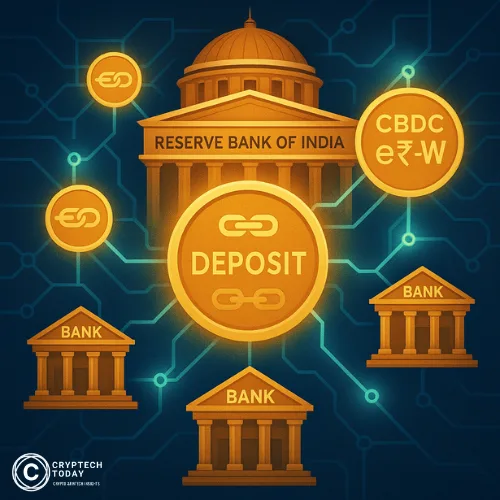
- Should it push rupee-backed stablecoins or fast-track the e₹ (Digital Rupee)?
- Can it create clear rules on taxation, reporting, and wallet KYC?
Experts suggest that a “light but clear” touch will foster innovation while keeping the economy safe.
Experts’ thoughts
- Build Laws for the Future: Don’t ban stablecoins — regulate them with reserve audits, AML checks, and consumer protection.
- Expand the Digital Rupee (e₹): Compete with stablecoins by improving user experience, cross-border operability, and offline features.
- Partner with Fintechs: Use India’s startup ecosystem to build local solutions with global scalability.
- Ensure Tax Compliance: Mandate disclosure of stablecoin holdings over a threshold, with international coordination on tracking.
US Stablecoin Law vs India: What happens next?
The GENIUS Act is only the beginning of the stablecoin era. For India, the challenge is to balance openness with oversight. It can emerge as a leader in digital financial infrastructure—but only if it crafts rules that are forward-looking, globally aligned, and locally grounded.
India missed the early crypto boom by hesitating too long. It shouldn’t miss the stablecoin wave.
Also Read
Leading Indian crypto exchange hacked