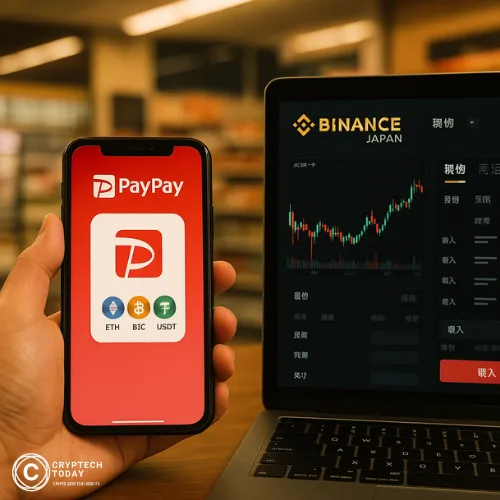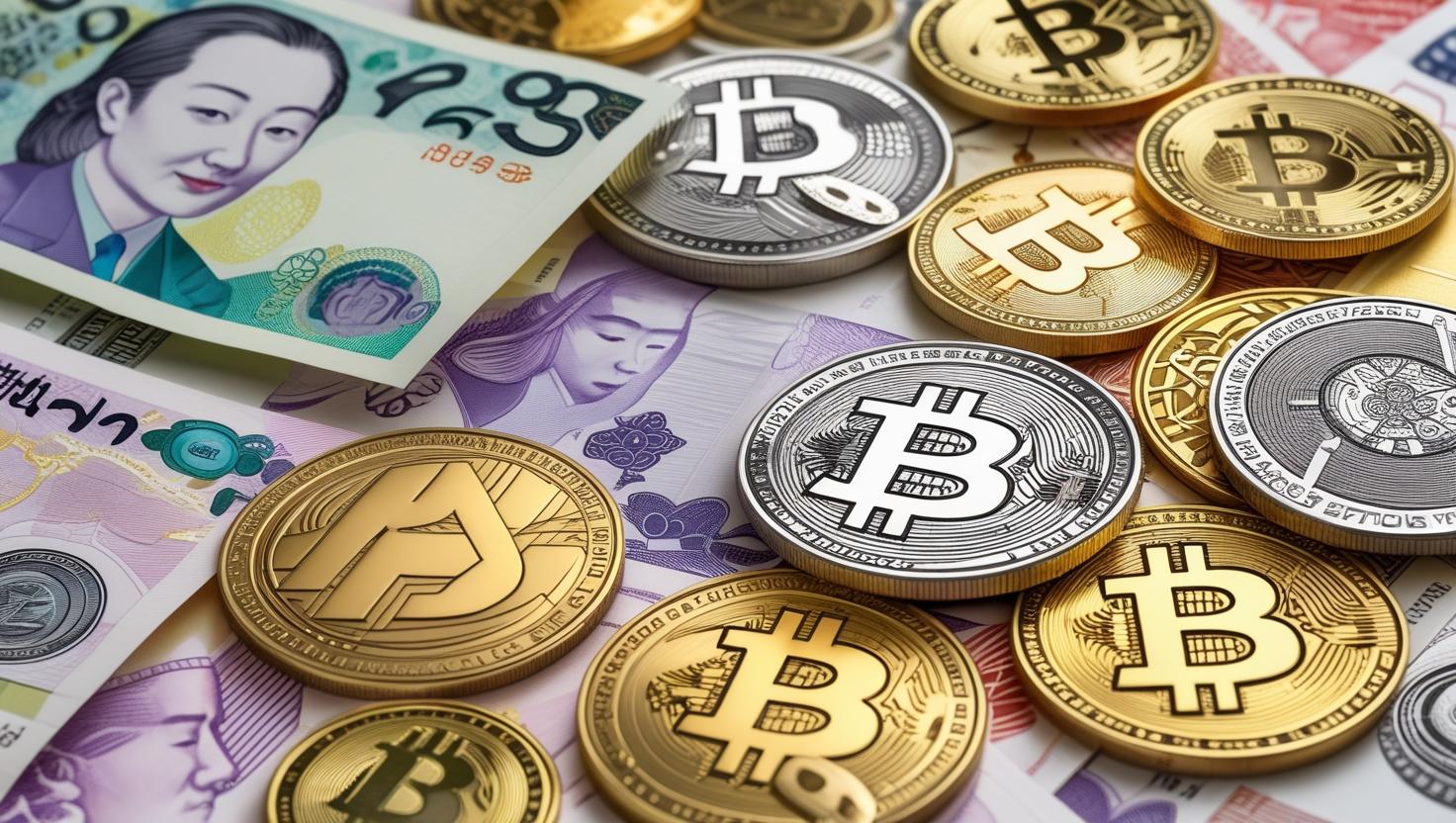
In July 2025, Japanese fintech quietly took a big step into the future of finance. Aplus, a credit card company under Shinsei Bank Group (SBI Group), teamed up with SBI VC Trade to do something no other major Japanese card issuer had done before: they let users turn their credit card reward points into cryptocurrency, specifically XRP, Bitcoin (BTC), and Ethereum (ETH).
This small change could have a big impact, not just for Japan, but for how everyday people around the world might interact with digital money in the future.
How does this “credit card points” conversion work?
It’s surprisingly simple. When someone uses their Aplus credit card, they earn points —one point for every ¥200 spent (around $1.30). Once they collect 2,100 Aplus Points, they can redeem them for over ¥2,000 (roughly $13–$15) worth of crypto.
There’s no need to spend extra money. There’s no need to open a separate crypto account. The entire process is handled smoothly by SBI VC Trade, a crypto exchange owned by SBI Holdings, which has long supported Ripple and XRP.
Why is this a big deal for Japan?
Japan is renowned for its financial prudence and technological prowess. While many people in Japan use digital payments, cryptocurrency has often been seen as risky or complicated.
This move by Aplus and SBI changes that. It makes crypto easy, safe, and part of daily life. No trading. No speculation. Just spending on groceries, gas, or clothes, and getting XRP or Bitcoin as a reward.
This marks the beginning of digital finance 2.0 in Japan—a new phase where traditional banks and fintech work together to bring crypto into the mainstream.
Motive behind opting for XRP for credit card points conversion?
Out of all the cryptocurrencies, XRP stands out in this partnership. One of the largest backers of Ripple in Asia is SBI Holdings. Ripple, the company behind XRP, has been working to modernise how money moves across borders, especially in Asia.
By offering XRP alongside Bitcoin and Ethereum, Japan is showing the world that XRP is no longer just for traders; it’s becoming part of everyday finance.
For beginners, XRP is often seen as faster and cheaper to transfer than Bitcoin. That makes it a practical choice for a rewards program, where small amounts are frequently moved.
Credit card points conversion: How other countries compare
Japan isn’t the first to offer crypto credit card rewards. Here’s how it stacks up globally:
- Gemini Credit Card (USA): Offers up to 3% back in crypto like Bitcoin or Ethereum.
- Coinbase Card (USA): American Express now lets you earn up to 4% back in Bitcoin.
- Crypto.com and BlockFi: Offer between 1% to 5% in crypto cashback, depending on the card.
But here’s what makes Japan’s version unique: you don’t need to spend crypto or invest in it—you earn it simply by using your regular credit card. For many Japanese users, this might be their first step into the world of digital currency.
Why this signals a shift to “Programmable Money”
This move isn’t just about credit cards or points—it’s about what money is becoming. In Digital Finance 2.0, money isn’t just cash or numbers in a bank—it’s programmable, digital, and flexible. You can earn crypto by shopping. You can make international payments with your phone. You can even hold digital assets that grow in value or provide access to new services.
Aplus and SBI are showing that the line between “real” money and “digital” money is fading. It’s no longer just tech companies pushing crypto; banks are now opening the door.
What does this mean for the end user?
If you’re living in Japan or watching the global shift, here’s why this matters:
- Easy Entry: You don’t need to buy crypto. You simply earn it by using your card.
- Safe and Regulated: SBI is a trusted name in Japan’s finance world, making it feel safer than random apps or websites.
- Future-Ready: As Japan experiments with central bank digital currency (CBDC) and more crypto-friendly rules, this program lays the foundation for broader adoption.
Trust and safety in the new digital era
As crypto rewards become a normal part of everyday finance, it’s important to think about safety and ethics. With more people owning XRP, Bitcoin, or Ethereum—even without directly buying them—there’s a growing need to track and understand how these digital assets are used. Startups like Coinspector are building tools to help. For example, they can search hidden online forums and dark web directories to find links between wallet addresses and illegal activity. They also have tools to check if a wallet address is real and belongs to the right crypto network, which helps avoid mistakes and focus on real risks. In Japan’s move toward Digital Finance 2.0, having this kind of technology is important, not just for preventing fraud, but for building trust as crypto becomes more mainstream.
Also Read