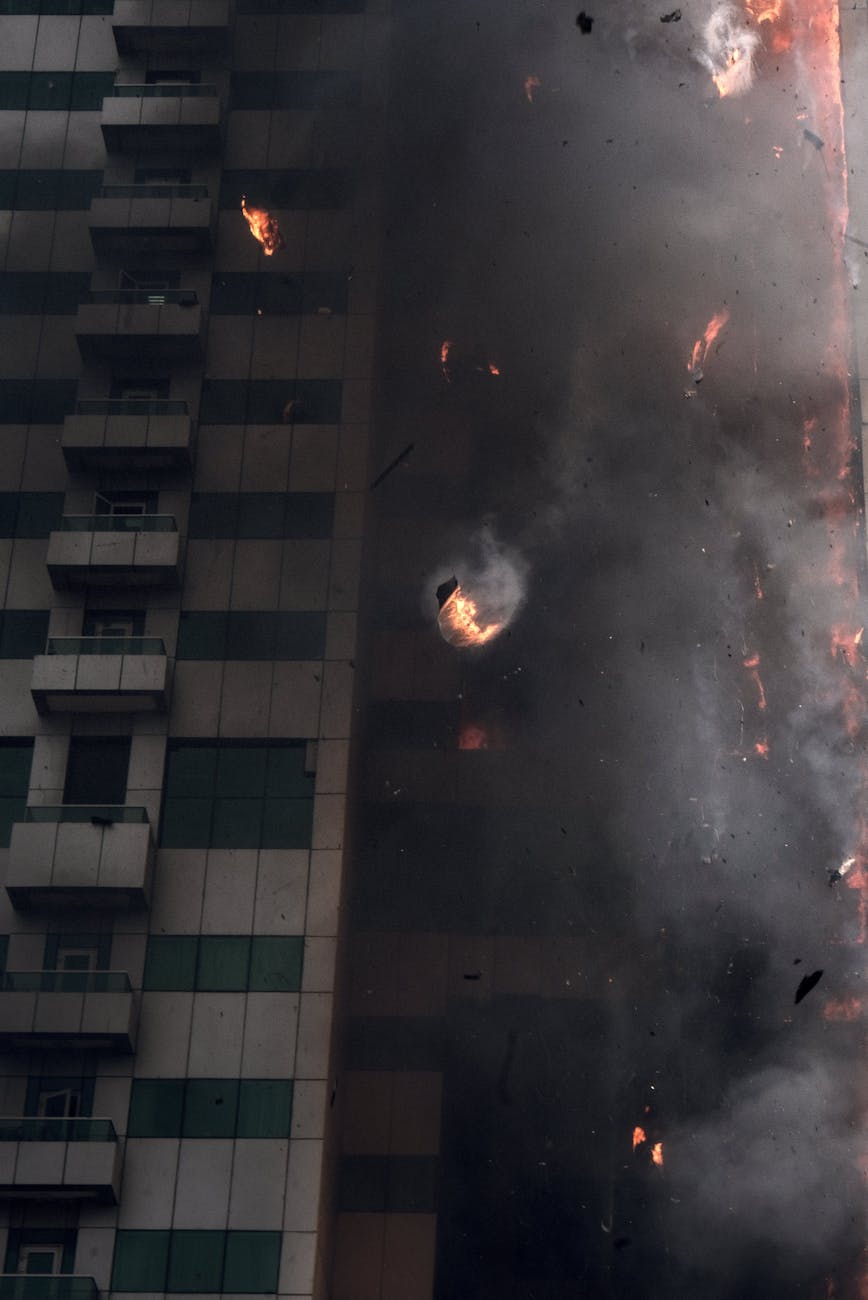
Iran’s Attack on Saudi Pipeline and Israel’s Airstrikes Heighten Middle East Tensions
Iran conducted an attack on Saudi Arabia’s East-Wave Pipeline on April 8, disrupting crude oil supply just hours after a U.S.-brokered ceasefire agreement was announced with Iran and Israel. This latest escalation raises significant concerns over the fragile nature of the newly established truce.
The Iranian strike, reported to have cut thousands of barrels of oil supply, came as a shock to regional watchers and analysts who had welcomed the proposed two-week truce. Hours later, Israel launched a wave of airstrikes targeting Hezbollah positions in Lebanon, marking its largest offensive against the group since hostilities resumed in the region. According to some reports, Israeli military actions have already resulted in hundreds of casualties, leading to widespread panic and accusations of premeditated aggression against Lebanon despite its promise to adhere to the ceasefire.
Immediate Aftermath of Attacks
Analysts highlighted the increasing volatility in the region, noting that Israel’s justification for the strikes stemmed from its belief that the ceasefire did not encompass Lebanon. The Israeli Defense Minister, Israel Katz, asserted that the attack was necessary to protect Israeli citizens from perceived threats posed by Hezbollah, an Iranian-backed militia operating along the northern border. Katz issued evacuation orders for parts of southern Lebanon, indicating the serious nature of the situation and Israel’s readiness for further military action.
Hezbollah had initially indicated its compliance with the ceasefire, refraining from strikes on northern Israel since the agreement was made. However, the group later declared that it reserves the right to retaliate against any Israeli aggression, underscoring a deeply rooted cycle of violence that has plagued the region for decades.
According to reports from humanitarian organizations, the strikes in Lebanon have triggered a humanitarian crisis, displacing thousands and adding to the misery of a country still recovering from a previous conflict with Israel. Dr. Tania Baban of MedGlobal described the situation on the ground as chaotic, correlating the airstrikes with historical precedents that have left Lebanon vulnerable and devastated.
Broader Context and Implications
The dual attacks not only signify a deterioration of the fragile truce but also highlight the intricate web of alliances and hostilities that define the Middle East. The U.S., along with Pakistan, facilitated the ceasefire agreement in hopes of stabilizing the region. However, the actions taken by Iran and Israel have placed a spotlight on the tenuous balance of power and the broader geopolitical implications: whether the U.S. can maintain a delicate rapport with its allies while engaging with adversaries.
Regional experts warn that should matters escalate further, the conflict could extend beyond local borders, potentially drawing in additional parties and leading to broader regional instability. An analyst working closely with the U.S. State Department said that “the endurance of peace hinges on effective diplomatic engagements and the mutual recognition of national securities among involved stakeholders.” This sentiment, shared among various geopolitical observers, reflects the necessity for urgent diplomatic dialogue.
In light of these events, international oil markets may react with caution, with traders monitoring developments in both Iran and Saudi Arabia, as instability in oil supply often correlates with price volatility. Given that such attacks can disrupt global supply chains, market analysts believe prices may surge in response to heightened tensions.
Looking Ahead: What Comes Next?
The immediate future remains uncertain as both Iran and Israel show no signs of backing down. Analysts suggest that diplomatic channels will need to be revitalized to prevent additional escalations, while military strategists expect that both nations may further bolster their operational readiness amid ongoing confrontations.
As the international community watches these developments closely, questions emerge about how future engagements will shape not only the Middle East but also the global economy, particularly concerning oil supply and the broader international balance of power.